How to Build a Home Gym on a Budget
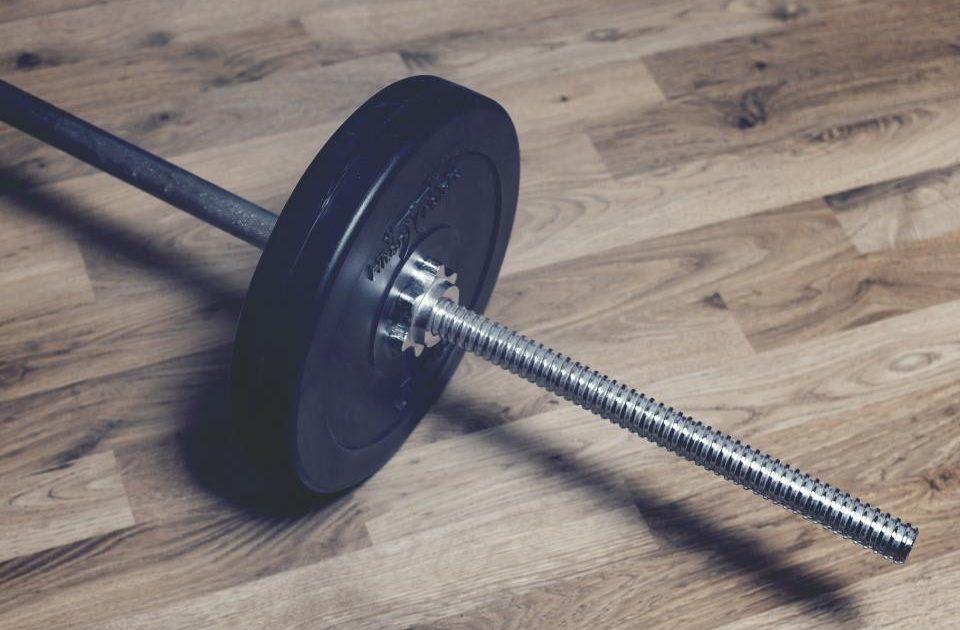
Gym memberships add up, and commuting to a gym is often the biggest barrier to consistency. A well-chosen home gym doesn’t need to cost thousands of dollars or take over a spare room — a handful of versatile, inexpensive pieces of equipment can support a genuinely effective strength and conditioning program.
This guide walks through what actually matters when building a home gym on a budget, in priority order, along with a sample layout and routine.
Why Equipment Choice Matters More Than Equipment Quantity
The biggest mistake in budget home-gym building is buying a lot of single-purpose items instead of a few versatile ones. A pair of adjustable dumbbells, a set of resistance bands, and a pull-up bar can collectively support hundreds of exercises across every major muscle group — far more return per dollar than, say, a dedicated leg-extension machine.
Prioritizing versatility also matters for small spaces: most of the equipment below stores compactly, which removes a common excuse for skipping workouts.
The Core Equipment List (Priority Order)
- Adjustable dumbbells: the single highest-value purchase; replaces a full rack of fixed weights in a fraction of the space
- Resistance bands: inexpensive, portable, useful for warm-ups, assistance work, and travel
- Pull-up bar (doorframe-mounted): covers back and arm training that dumbbells alone struggle to hit as effectively
- Exercise mat: supports floor work, mobility, and core training comfortably
- Adjustable bench (optional, mid-tier upgrade): significantly expands exercise variety once budget allows
What You Can Skip Early On
Cardio machines (treadmills, ellipticals) are often the most expensive and least necessary home-gym purchase, since walking, running outdoors, or bodyweight conditioning circuits can deliver similar cardiovascular benefits without the cost or space commitment. Similarly, single-exercise machines are rarely worth the investment compared to free weights and bands, which train the same muscles with more carryover to real-world strength and stability.
Budgeting Smart: Where to Spend and Where to Save
Adjustable dumbbells are worth spending more on for durability and a wide weight range, since they see the most use. Resistance bands, a basic mat, and a doorframe pull-up bar are inexpensive across most brands, so there’s little reason to overspend there. Secondhand marketplaces are often a strong source for barbells, plates, or benches at a fraction of retail cost, since strength equipment rarely wears out with normal home use.
- Spend more on: adjustable dumbbells (frequency of use justifies the cost)
- Spend less on: bands, mats, doorframe bars (little quality variation between price points)
- Buy secondhand: benches, barbells, plates (durable, common on local marketplaces)
Designing Your Space
You don’t need a dedicated room — a corner with roughly 6×6 feet of clear floor space is enough for most home-gym routines. Vertical storage (wall-mounted bands, a corner rack for dumbbells) keeps a small footprint from feeling cluttered, and a mat underfoot protects flooring from dropped weights.
How to Apply This: A Sample Full-Body Home Routine
- Warm-up: 5 minutes light cardio (jumping jacks, marching in place) + band pull-aparts, 2 sets of 15.
- Goblet squats (dumbbell): 3 sets of 10-12.
- Dumbbell rows: 3 sets of 10-12 per side.
- Push-ups or dumbbell floor press: 3 sets of 8-12.
- Assisted or banded pull-ups: 3 sets to near-failure.
- Romanian deadlifts (dumbbell): 3 sets of 10-12.
- Core finisher: plank, 3 rounds of 30-45 seconds.
How much does a decent budget home gym actually cost?
A functional setup with adjustable dumbbells, bands, a pull-up bar, and a mat can typically be assembled for a few hundred dollars, well below the multi-year cost of most gym memberships.
Can I build real strength without a barbell?
Yes — dumbbells and resistance bands can apply progressive overload effectively across nearly every major exercise pattern; a barbell adds convenience for very heavy loads but isn’t required for meaningful strength gains.
Do I need a bench to start?
No — floor-based pressing and single-leg work can substitute for many bench exercises early on; a bench is a good mid-tier upgrade once budget and space allow.
How do I know what dumbbell weight range to buy?
Most beginners do well with an adjustable set covering roughly 5-50 lbs per hand, which covers most upper-body and lower-body exercises as strength increases over time.
Related reading
Affiliate & medical disclosure: This review is independent and for information only, not medical advice. Some links may be affiliate links; we may earn a commission at no cost to you, which never affects our score. Consult a licensed provider before starting any product.