Simple Breathing Exercises to Calm Anxiety Fast
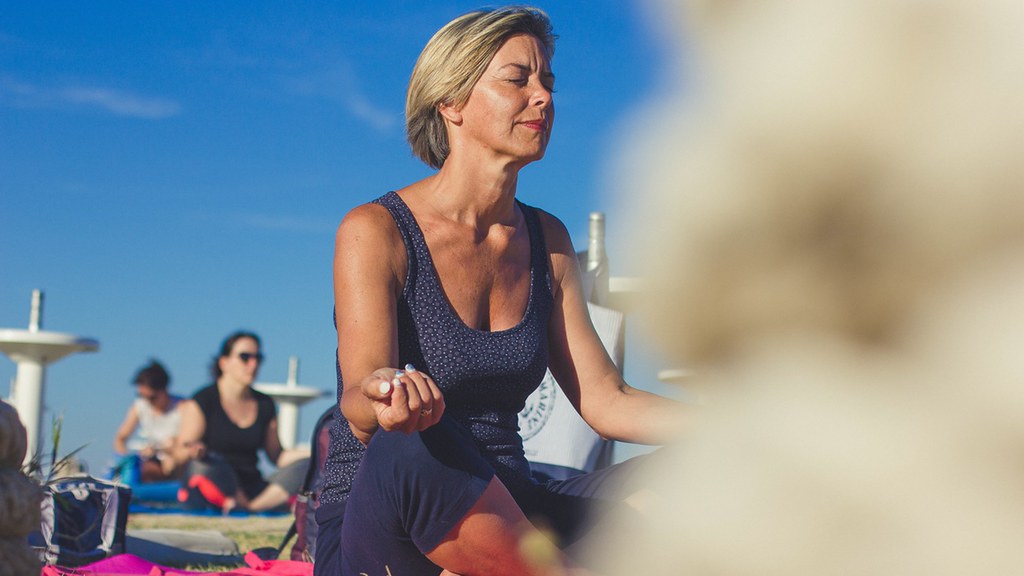
When anxiety strikes, your breathing often becomes shallow and rapid without you even noticing. The good news is that deliberately changing how you breathe can send a calming signal back to your nervous system, often within just a few minutes.
These simple techniques require no equipment and can be done almost anywhere you need a quick reset.
Why Breathing Affects Anxiety
Breathing is one of the few automatic body functions you can consciously control, which makes it a powerful tool for calming down.
- Slow, deep breathing activates the parasympathetic nervous system, your body’s “rest and digest” mode.
- It can lower heart rate and blood pressure within minutes.
- Focusing on your breath also gives your mind something steady to anchor to.
Three Techniques Worth Trying
Different breathing patterns work better for different people and situations:
- Box breathing: inhale for four counts, hold for four, exhale for four, hold for four, and repeat.
- 4-7-8 breathing: inhale for four counts, hold for seven, and exhale slowly for eight.
- Belly breathing: place a hand on your stomach and breathe so that it rises, rather than your chest.
Making Breathing Exercises a Habit
Practicing regularly, not just during moments of stress, makes these techniques more effective when you really need them:
- Try a few minutes each morning or before bed to build familiarity.
- Pair breathing exercises with another routine, like brushing your teeth, as a reminder.
- Use a timer app if counting feels distracting at first.
How quickly can breathing exercises reduce anxiety?
Many people notice a calming effect within a few minutes, though the intensity of relief varies from person to person.
Can breathing exercises replace other anxiety treatments?
They can be a helpful tool but aren’t a substitute for professional support if anxiety is persistent or significantly affecting daily life.
Is it normal to feel lightheaded while practicing?
Mild lightheadedness can happen if you breathe too deeply too quickly. If it happens, return to normal breathing and try again more gently.
Related reading
- Patch Testing New Skincare Products: A Simple Habit That Prevents Reactions
- Cystic Acne: Why It’s Different From Regular Breakouts and How It’s Treated
- FullWell Fertility Review 2026: What a $42 RD-Formulated Prenatal Actually Buys
- Progressive Muscle Relaxation: A Step-by-Step Technique to Release Tension
Affiliate & medical disclosure: This review is independent and for information only, not medical advice. Some links may be affiliate links; we may earn a commission at no cost to you, which never affects our score. Consult a licensed provider before starting any product.