FOCL vs Drugstore CBD: What the Premium Actually Buys in 2026
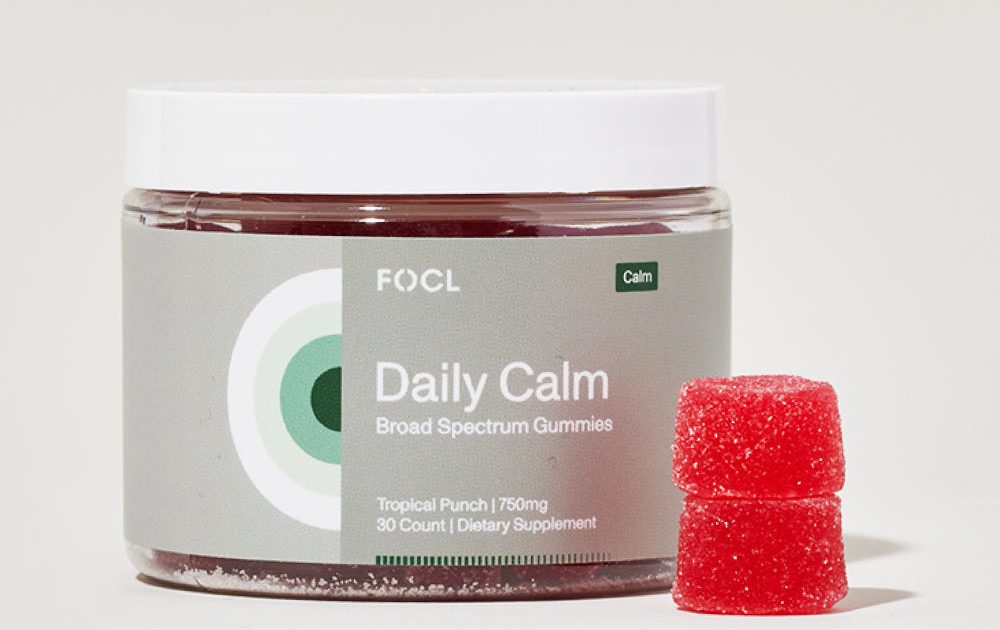
Stand in the CBD aisle of a big pharmacy and you’ll see the same thing every time: a shelf of tinctures in the $20-40 range, most of them isolate, most of them under 750mg, most with a QR code that either goes nowhere or to a lab report you can’t quite make sense of. Then you go look at FOCL and a bottle of drops is $49. So the fair question — the one this whole FOCL vs drugstore CBD comparison hangs on — is what that extra money is actually buying, because it’s not just the label design.
I’ve bought both kinds. The cheap shelf stuff has its place. But there are a few real, checkable differences that explain the price gap, and one caveat with FOCL’s newer lineup you should know before you order.
FOCL vs drugstore CBD: the premium, itemized
Let’s do the math first, because it flips the usual assumption. A FOCL 1000mg Premium CBD Drops bottle runs about $49 with 33mg per dropper, which works out to roughly 4.9 cents per milligram. A typical drugstore bottle at $30 for 500mg is 6 cents a milligram — so the “cheap” option can actually cost more per dose once you account for its thinner potency. FOCL’s Daily Calm broad-spectrum gummies push that even lower on intro pricing. The premium, it turns out, isn’t mostly about price per mg. It’s about what’s in the bottle and whether it’s built for a purpose.
| Drugstore CBD | FOCL | |
|---|---|---|
| Typical potency | 250-750mg, often isolate | 750-3000mg, broad/full-spectrum |
| Cost per mg | ~$0.06-0.16 | ~$0.02-0.05 |
| Sourcing | Varies, often unlisted | Organically grown hemp, MCT carrier |
| Testing | QR sometimes dead/vague | Third-party COAs published |
| Extras | Just CBD | Adaptogen/nootropic stacks (Day, Night, Calm) |
| THC options | Rare | Broad-spectrum THC-free + separate THC+ line |
What the premium actually buys
Three things, mostly. First, potency and spectrum — FOCL’s drops are broad- or full-spectrum in an organic MCT coconut oil carrier, versus the isolate powder a lot of drugstore gummies rely on. Full-plant extracts carry the minor cannabinoids and terpenes that plain isolate strips out. Second, testing you can read: FOCL publishes third-party certificates of analysis per batch, which is the single biggest reason to pay up in a market this loosely regulated. Third, the formulation. FOCL builds stacks — Day capsules add nootropics like rhodiola and L-theanine for focus, Night capsules add melatonin and calming botanicals for sleep. A drugstore bottle just gives you CBD and calls it done.
There’s a fourth thing that’s harder to price but real: consistency. When a brand controls its sourcing and tests every batch, the bottle you buy in June should behave like the one you bought in February. Cheap CBD is notorious for potency drift between lots — a Leafreport analysis a few years back found a big chunk of tested products missed their labeled CBD amount by more than 10%. That’s the quiet risk with unbranded shelf oil: you don’t always get what the label promises, and you have no COA to check it against.
None of that is a health claim. The FDA has not evaluated or approved CBD, from FOCL or anyone else, to diagnose, treat, or cure any condition, and effects genuinely vary from person to person. What you’re paying for is quality and transparency, not a cure.
The caveat: FOCL’s THC+ line
Here’s the part that trips people up. FOCL has leaned hard into hemp-derived THC lately — the THC+ Happy (5mg), THC+ Sleep (2.5mg), and low-dose Daily Calm THC+ gummies all contain actual THC. These are sold as legal under the 2018 Farm Bill, which permits hemp products at or under 0.3% delta-9 THC by dry weight, but that’s a very different product from the broad-spectrum, THC-free drops. If you specifically want no THC, read the product name: “broad spectrum” and “THC-free” are your keywords, and FOCL does clearly label both.
For anything in the THC+ range, the usual rules apply and they matter: you must be 21+, state laws on hemp-derived THC vary and some states restrict it, never drive or operate machinery after use, and start with a low dose — half a gummy — the first time. Any full-spectrum or THC product can also trigger a positive drug test, so if you’re screened at work, stick to the broad-spectrum THC-free items.
So is FOCL worth the premium over drugstore CBD?
If you care about knowing what’s in the bottle and you want a product built for a specific goal, yes — and the per-milligram cost is often competitive with the shelf stuff anyway, so the “premium” is smaller than the sticker suggests. If you just want to dip a toe in and don’t care about spectrum or lab paperwork, a drugstore bottle will technically do the job for less upfront. My honest gripe with FOCL: the pivot toward THC+ products has made the catalog confusing, and it’s easy to grab a THC gummy when you meant to buy plain CBD. Slow down, read the label, and buy the version that matches what you actually want.
Is FOCL actually worth more than cheap drugstore CBD?
For most people who plan to use it regularly, yes. You get higher potency, broad- or full-spectrum extract, published lab tests, and often a lower cost per milligram than a thin drugstore bottle. For a one-time trial, the cheap option is fine — you’re mainly paying less for less.
Does FOCL contain THC, and will it fail a drug test?
It depends on the product. FOCL’s broad-spectrum drops and gummies are formulated THC-free, but the THC+ line contains hemp-derived THC that can cause a positive drug test. If you’re tested, buy only the broad-spectrum, THC-free labeled products.
What’s the difference between FOCL Day and Night products?
Day pairs CBD with energizing, focus-oriented ingredients like rhodiola and L-theanine for daytime use. Night pairs CBD with calming botanicals and melatonin for sleep. Same brand, opposite ends of the day — pick based on when you’ll take it.
Is FOCL’s hemp organic?
FOCL uses organically grown hemp and an organic MCT coconut oil carrier in its drops, and publishes third-party COAs for its batches. That sourcing and testing transparency is a big part of what separates it from unbranded drugstore CBD.
Compare the milligrams and read the lab report before you decide the drugstore bottle is the deal.
Related reading
Affiliate & medical disclosure: This review is independent and for information only, not medical advice. Some links may be affiliate links; we may earn a commission at no cost to you, which never affects our score. Consult a licensed provider before starting any product.