Post-Workout Skincare: Why Sweat Affects Your Skin and What to Do After Exercise
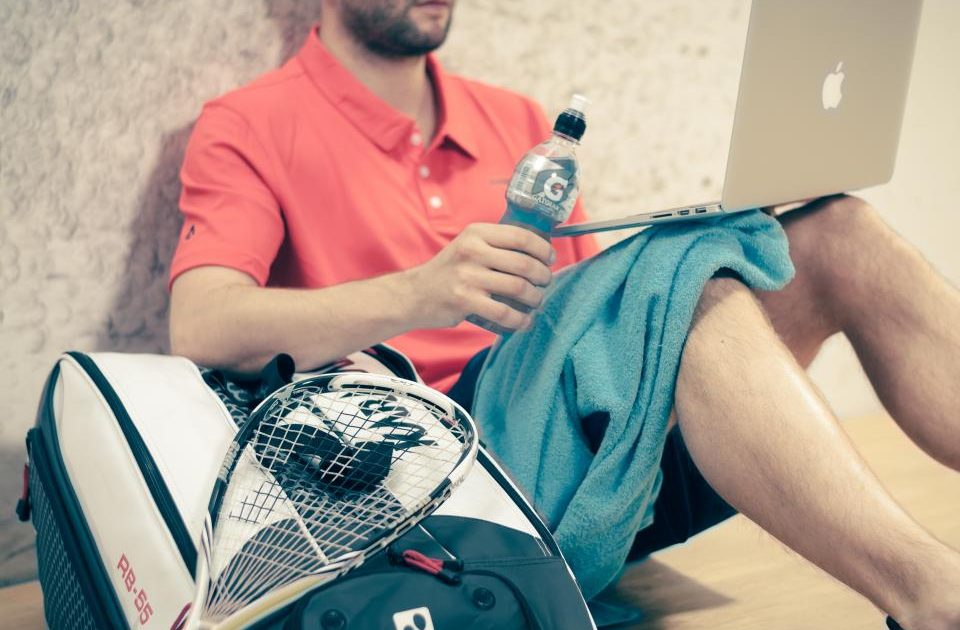
Finishing a hard workout and heading straight to errands with a sweaty face feels harmless enough, but a common mistake is treating post-exercise skin exactly like any other time of day. Sweat, friction, and prolonged contact with gym equipment create a genuinely different set of conditions for your skin, and a few small adjustments after training can prevent breakouts that otherwise get blamed on “bad skin days.”
None of this requires an elaborate new routine. Understanding what actually happens to skin during and after exercise makes it easier to know which post-workout habits are worth prioritizing and which are unnecessary.
What Sweat Actually Does to Skin
Sweat itself is mostly water, electrolytes, and small amounts of urea, and it isn’t inherently harmful to skin. The problem arises when sweat mixes with existing oil, bacteria, and dead skin cells on the surface and is left there for an extended period, particularly under tight clothing, headbands, or helmet straps where friction and heat are added to the mix.
This combination — sometimes informally referred to as “sweat-induced acne” or acne mechanica — is a recognized pattern where prolonged sweat, friction, and occlusion (fabric or equipment trapping heat and moisture against skin) contribute to breakouts, particularly along the hairline, back, and chest.
Why Timing Matters More Than People Realize
How long sweat sits on skin after a workout appears to matter more than the sweating itself. Cleansing within roughly 30-60 minutes after exercising is a commonly cited window for reducing the likelihood of clogged pores, since this limits the time sweat, oil, and bacteria have to interact with skin before being washed away.
This is particularly relevant for anyone who showers hours after a workout, or not at all on lighter activity days. If an immediate shower isn’t practical, simply rinsing the face and any other sweat-prone areas with plain water, or wiping down with a gentle cleansing cloth, can meaningfully reduce prolonged skin contact with sweat and bacteria.
Common Post-Workout Skin Mistakes
A handful of habits repeatedly show up as contributors to post-exercise breakouts and irritation, and most are easy to correct once identified.
- Leaving makeup on during a workout, which combines with sweat and can clog pores more readily than clean skin
- Reusing unwashed towels, headbands, or yoga mats, which can harbor bacteria that transfers back onto skin during subsequent sessions
- Touching the face frequently during exercise with hands that have contacted gym equipment
- Applying heavy, occlusive skincare products immediately before a sweaty workout, which can trap heat and moisture against the skin
- Skipping post-workout cleansing entirely on “easy” or shorter workout days
Building a Simple Post-Workout Skincare Routine
A practical post-exercise routine doesn’t need to be elaborate — it just needs to happen consistently. The goal is removing sweat, oil, and bacteria buildup before it has time to contribute to congestion or irritation.
- Cleanse with a gentle, non-stripping cleanser as soon as reasonably possible after exercising, ideally within an hour.
- If an immediate full shower isn’t available, rinse the face with water or use a mild cleansing wipe as an interim step, then follow up with a full cleanse later.
- Pat skin dry rather than rubbing, since rubbing can increase irritation on skin already warmed and slightly more sensitive post-exercise.
- Apply a lightweight, non-comedogenic moisturizer to support the skin barrier, since sweating can contribute to mild dehydration of the skin’s surface.
- If you exercised outdoors, reapply sunscreen if you’ll continue to be in the sun, since sweat and toweling off can reduce the effectiveness of a morning application.
For body acne on the back, chest, or shoulders, using a gentle exfoliating body wash a few times per week, alongside prompt post-workout showers, is a commonly recommended approach for reducing breakouts in these sweat-prone areas.
Gear and Hygiene Habits That Matter
Beyond your skin routine, the equipment and fabric that contact your skin during exercise play a meaningful role in preventing irritation and breakouts.
- Wash workout towels, headbands, and hats regularly rather than reusing them multiple sessions in a row
- Choose moisture-wicking fabrics over heavy cotton for activities involving heavy sweating, since wicking fabrics pull moisture away from skin rather than trapping it
- Wipe down shared gym equipment before use, both for general hygiene and to reduce transferring bacteria to your skin and hands
- Wash yoga mats and other personal equipment regularly, since these surfaces have prolonged skin contact during a session
Should You Wear Makeup or Sunscreen During a Workout?
Sunscreen is the exception to the “keep it minimal” rule — sun protection during outdoor exercise remains important regardless of sweating, since UV exposure doesn’t pause because you’re active. Choosing a lightweight, sweat-resistant, non-comedogenic sunscreen formulated for sports or active use can provide protection without contributing as heavily to clogged pores as a heavier daily-wear formula.
Makeup, on the other hand, is generally worth removing or skipping before a sweaty workout when practical, since it combines with sweat and oil in ways that are more likely to contribute to congestion, particularly during high-intensity or hot-weather training.
When Breakouts Persist Despite Good Habits
If you’re consistently showering promptly, using clean gear, and still experiencing persistent breakouts tied to exercise, other factors may be contributing, including hormonal changes, an underlying skin condition, or a reaction to a specific fabric or product. A dermatologist can help identify whether something beyond typical sweat-related congestion is at play, particularly for cystic or painful breakouts that don’t respond to basic hygiene adjustments.
Do I really need to shower right after every workout?
It’s not strictly mandatory every time, but cleansing within about 30-60 minutes is commonly recommended to reduce the chance of sweat, oil, and bacteria contributing to clogged pores, especially after intense or prolonged sweating.
Can wearing makeup during a workout cause breakouts?
It can contribute, particularly with heavier or more occlusive makeup formulas, since combining makeup with sweat and friction increases the likelihood of clogged pores compared to clean, makeup-free skin during exercise.
Why do I break out specifically along my hairline after workouts?
This pattern is often linked to sweat combined with hair products (like leave-in conditioners or styling products) that transfer onto the skin along the hairline during exercise, compounded by friction from headbands or hats.
Is it bad to apply skincare products right before exercising?
Heavy, occlusive products applied right before a sweaty workout can trap heat and moisture against skin. A lightweight sunscreen for outdoor exercise is the main exception worth keeping in your pre-workout routine.
Related reading
Affiliate & medical disclosure: This review is independent and for information only, not medical advice. Some links may be affiliate links; we may earn a commission at no cost to you, which never affects our score. Consult a licensed provider before starting any product.