Organ Meats and Liver: The Nutrient-Dense Foods Most Diets Skip
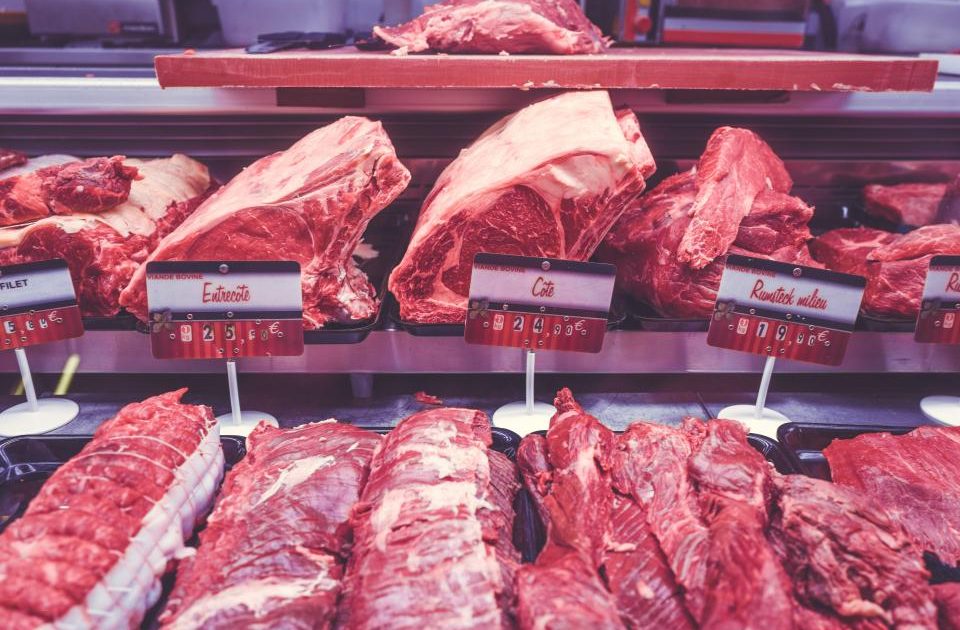
Ask most people what’s in their weekly grocery cart and you’ll hear chicken breast, ground beef, maybe salmon. Almost nobody says liver, kidney, or heart, even though these organ meats were once considered prized cuts, and even though, gram for gram, they rank among the most nutrient-dense foods available. Somewhere along the way, muscle meat became the default and organ meats became an afterthought, or an outright avoidance.
A common assumption is that organ meats are an outdated, unnecessary relic, something earlier generations ate out of necessity rather than nutritional wisdom. In reality, research consistently shows organ meats, particularly liver, contain concentrations of certain vitamins and minerals that are difficult to match with muscle meat or plant foods alone, which is worth understanding even if you never plan to cook a full portion yourself.
Why Liver Stands Out Nutritionally
Liver, whether from beef, chicken, or lamb, is exceptionally concentrated in several nutrients that many diets fall short on. A single 3-ounce serving of beef liver typically provides well over 100% of the daily value for vitamin A and vitamin B12, along with substantial amounts of iron, copper, riboflavin, and folate.
- Vitamin B12: liver is one of the richest natural sources available, relevant given that B12 deficiency is a genuine concern for older adults and anyone on a plant-based diet.
- Iron: liver provides heme iron, the form most efficiently absorbed by the body, which matters given that iron deficiency remains one of the most common nutrient deficiencies worldwide according to the WHO.
- Vitamin A: liver is so concentrated in preformed vitamin A that pregnant individuals are generally advised to limit intake, since excess preformed vitamin A can be harmful in early pregnancy.
- Choline: important for liver and brain health, and a nutrient the Academy of Nutrition and Dietetics notes many adults don’t consume in adequate amounts from diet alone.
Other Organ Meats Worth Knowing About
Liver gets most of the attention, but other organ meats offer their own nutritional strengths. Heart is notably rich in coenzyme Q10, an antioxidant involved in cellular energy production, along with a solid amino acid profile similar to lean muscle meat. Kidney provides selenium and B vitamins, though it has a stronger flavor that takes some adjustment for newcomers.
Bone marrow, technically not an organ but often grouped with offal, provides fat-soluble nutrients and collagen-related compounds, and has become popular in some culinary circles for its rich flavor when roasted. Tongue and tripe are less nutrient-dense than liver specifically but still offer reasonable protein and mineral content compared to many processed meat products.
Addressing the “Toxin Storage” Myth
A common concern is that the liver, as a filtering organ, stores toxins and therefore passes them on to whoever eats it. This is a misunderstanding of liver function: the liver metabolizes and neutralizes toxins, converting them into forms the body can excrete through urine and bile, rather than storing them permanently in its own tissue the way a filter accumulates debris. In a healthy animal raised without excessive toxin exposure, this concern is largely unfounded.
That said, sourcing does matter to some degree. Choosing liver from animals raised without unnecessary drug exposure, and consuming organ meats in moderation rather than daily, is a reasonable, balanced approach rather than an all-or-nothing decision.
How Much Is Reasonable to Eat
Because of its concentrated vitamin A content, most nutrition guidance suggests liver is best eaten in moderation, commonly cited as once or twice a week rather than daily, particularly for anyone also taking a multivitamin containing preformed vitamin A. Pregnant individuals should discuss liver consumption specifically with their healthcare provider, since vitamin A intake needs closer monitoring during pregnancy.
For other organ meats like heart or kidney, which don’t carry the same vitamin A concentration, more frequent consumption is less of a concern, though variety and balance with other protein sources remains a sensible general approach.
How to Actually Cook and Eat Organ Meats
- Start small and mild. Chicken liver has a milder flavor than beef liver and is a gentler introduction for first-timers.
- Blend it in. Finely chopped or ground liver can be mixed into ground beef (roughly a 1:4 ratio) for dishes like meatballs or burgers, significantly softening the distinct organ-meat flavor.
- Try pâté or liverwurst as an accessible entry point, since the preparation process mellows the flavor considerably compared to a plain seared liver steak.
- Soak in milk or lemon water for 30 minutes before cooking, a traditional technique that helps reduce the mineral, slightly metallic taste some people find off-putting.
- Don’t overcook it. Liver becomes tough and grainy when overdone; a quick sear leaving the center slightly pink is the standard preparation for beef or chicken liver.
- Pair with acidity, like a squeeze of lemon or a side of pickled vegetables, which balances the richness and iron-forward taste.
Who Should Be Cautious
Anyone with hemochromatosis, a condition causing excessive iron absorption and storage, should limit or avoid organ meats given their concentrated iron content. Pregnant individuals should moderate liver intake specifically due to vitamin A concerns, and anyone with gout should be aware that organ meats are relatively high in purines, which can contribute to uric acid buildup. As always, check with a healthcare provider if you have a relevant medical condition before making organ meats a regular part of your diet.
Is liver safe to eat every day?
Most guidance recommends limiting liver to once or twice weekly rather than daily, primarily due to its very high vitamin A content, which can accumulate to excessive levels with frequent consumption.
Does liver really contain more nutrients than muscle meat?
For several specific nutrients, yes, particularly vitamin A, B12, folate, and iron, liver is considerably more concentrated than typical muscle cuts like chicken breast or ground beef. It’s not a wholesale replacement for muscle meat, but a nutritionally dense complement to it.
Can I get the same benefits from a multivitamin instead of eating liver?
A multivitamin can cover some of the same nutrients, but whole-food sources often provide better absorption for certain nutrients, like heme iron, and come packaged with additional compounds like choline and CoQ10 that a standard multivitamin may not fully replicate.
What’s the easiest way to start eating organ meats?
Blending a small amount of ground liver into regular ground beef dishes, or trying a mild pâté, are generally considered the most approachable entry points for people who find the taste and texture of plain organ meat off-putting at first.
Related reading
Affiliate & medical disclosure: This review is independent and for information only, not medical advice. Some links may be affiliate links; we may earn a commission at no cost to you, which never affects our score. Consult a licensed provider before starting any product.