Does Diet Really Cause Acne? What the Evidence Says About Dairy, Sugar, and Chocolate
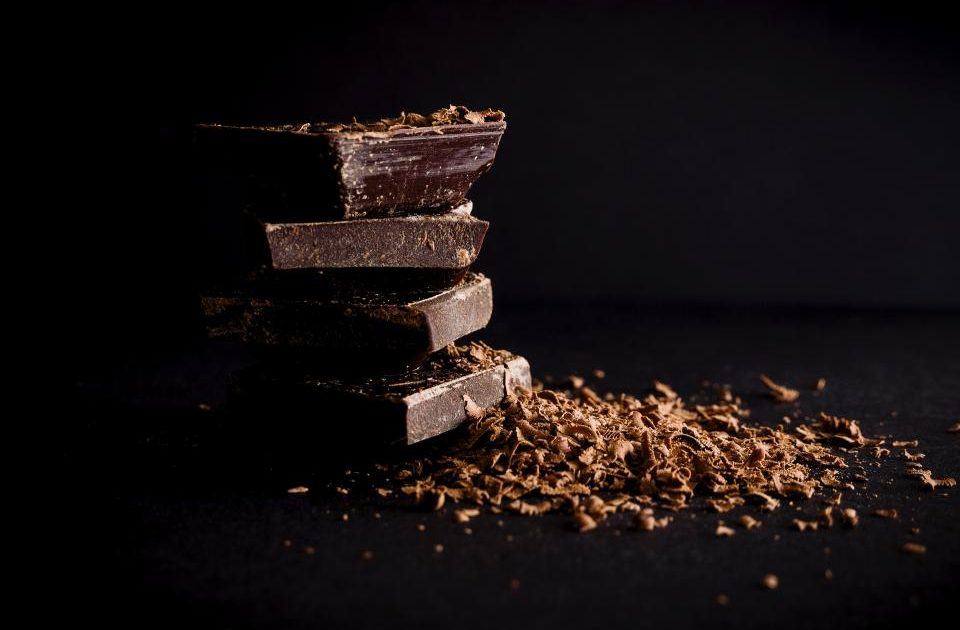
“Stop eating chocolate and your skin will clear up.” It’s advice nearly everyone has heard, usually from a well-meaning relative, and it’s also more complicated than the confident tone suggests. The relationship between diet and acne has swung between dismissed myth and confirmed link multiple times over the past several decades, and the current picture is more nuanced than either “diet doesn’t matter” or “cut this one food and you’ll be clear.”
A common mistake is treating acne as though it has one single dietary trigger that applies equally to everyone. In reality, research consistently shows that some dietary patterns are associated with increased acne risk on a population level, while individual triggers vary considerably from person to person, meaning what clears one person’s skin may do nothing for another’s.
Dairy and Acne: What the Research Actually Shows
Of all the dietary culprits discussed, dairy has the most consistent research backing. Several observational studies have found an association between higher milk consumption, particularly skim milk, and increased acne prevalence and severity, especially in adolescents and young adults. The proposed mechanism involves hormones and growth factors naturally present in milk, including insulin-like growth factor 1 (IGF-1), which may influence oil gland activity and skin cell turnover.
It’s worth noting this research is largely observational, meaning it shows an association rather than definitively proving milk causes acne in every individual. Not everyone who drinks milk develops acne, and not everyone with acne improves by cutting dairy. Still, for people with persistent acne who haven’t found success with topical treatments, a supervised trial of reducing dairy intake is a reasonable, low-risk experiment to discuss with a dermatologist.
Sugar, Refined Carbs, and the Glycemic Index Connection
High-glycemic diets, meaning foods that cause rapid spikes in blood sugar like white bread, sugary drinks, and refined snacks, have also been linked to increased acne severity in multiple studies. The theory is that blood sugar spikes trigger insulin release, which in turn may increase androgen activity and oil production in the skin, both of which contribute to clogged pores and breakouts.
- Some clinical trials have found that switching from a high-glycemic to a low-glycemic diet modestly improved acne severity over 8-12 week periods.
- The effect size in most studies is moderate, not dramatic, meaning dietary changes alone are unlikely to replace evidence-based topical or prescription treatments for moderate to severe acne.
- Whole, minimally processed carbohydrates (oats, legumes, whole fruit) have a gentler effect on blood sugar than refined, sugary alternatives.
What About Chocolate Specifically?
Chocolate has one of the longest-running reputations as an acne trigger, but the research here is genuinely mixed and less robust than for dairy or high-glycemic diets. A handful of small studies have found a correlation between chocolate consumption and acne flare reports, but it’s difficult to separate chocolate itself from the sugar and dairy often bundled into commercial chocolate products.
Some researchers suspect that pure cocoa, high in polyphenols and antioxidants, may not carry the same effect as milk chocolate loaded with added sugar and dairy. Until more definitive research exists, the honest answer is that chocolate’s role is individual and unproven at a population level, though people who notice a personal pattern shouldn’t dismiss their own experience just because the broader evidence is inconclusive.
Why Everyone Reacts Differently
Acne is a multifactorial condition influenced by genetics, hormones, skin bacteria, stress, and skincare habits, in addition to diet. This is a major reason why dietary triggers vary so much between individuals; someone with a strong genetic or hormonal predisposition toward acne may see little change from dietary adjustments, while someone whose skin is more sensitive to blood sugar swings might notice a meaningful difference.
This individual variability is also why elimination diets should be approached carefully and gradually rather than cutting out multiple food groups simultaneously, since doing so makes it nearly impossible to identify which specific change, if any, actually helped.
A Practical Approach to Testing Diet-Acne Links
- Keep a simple food and skin journal for 3-4 weeks, noting meals and any new breakouts, to look for patterns before making changes.
- Change one variable at a time. If dairy is your first suspect, reduce it alone for 4-6 weeks before also addressing sugar, so you can isolate what’s actually helping.
- Give each change enough time. Skin cell turnover takes roughly 4-6 weeks, so shorter trials often won’t show a clear result either way.
- Don’t abandon medical treatment while testing diet. Continue any dermatologist-recommended skincare or prescription routine during your trial rather than replacing it with dietary changes alone.
- Reintroduce foods deliberately after a trial period to confirm whether removing them was actually responsible for any improvement, rather than assuming based on timing alone.
What Isn’t Well Supported
Despite popular belief, there’s limited solid evidence that greasy foods, French fries, or pizza directly cause acne through the food itself; the association more likely reflects that these foods are often paired with high sugar and refined carbohydrate content, the actual variables with better research support. Similarly, claims that specific “detox” diets or juice cleanses clear acne are not well supported by evidence and can sometimes do more harm than good nutritionally.
Should I cut out dairy completely if I have acne?
Not necessarily. A supervised trial reducing dairy for several weeks is reasonable, but complete elimination isn’t necessary for everyone, and dairy is a source of calcium and protein worth replacing thoughtfully if you do cut it out. A registered dietitian can help ensure nutritional adequacy during any elimination trial.
Does drinking more water clear up acne?
Adequate hydration supports overall skin health, but there’s limited direct evidence that increased water intake alone significantly improves acne. It’s a reasonable general health habit, just not a proven acne treatment on its own.
Is it my diet or my hormones causing my acne?
Often both play a role to varying degrees. Hormonal acne, common around the jawline and chin and often cyclical with menstrual cycles, may respond less to dietary changes and more to hormonal or dermatological treatment, which is worth discussing with a healthcare provider if you suspect a hormonal pattern.
How long before I’d notice if a dietary change is helping my skin?
Most dermatologists suggest giving any single dietary change at least 4-8 weeks before drawing conclusions, since skin cell turnover and inflammation resolution both take time, and shorter trials often produce misleading results in either direction.
Related reading
Affiliate & medical disclosure: This review is independent and for information only, not medical advice. Some links may be affiliate links; we may earn a commission at no cost to you, which never affects our score. Consult a licensed provider before starting any product.