Ancient Grains Compared: Farro, Freekeh, and Einkorn for Everyday Nutrition
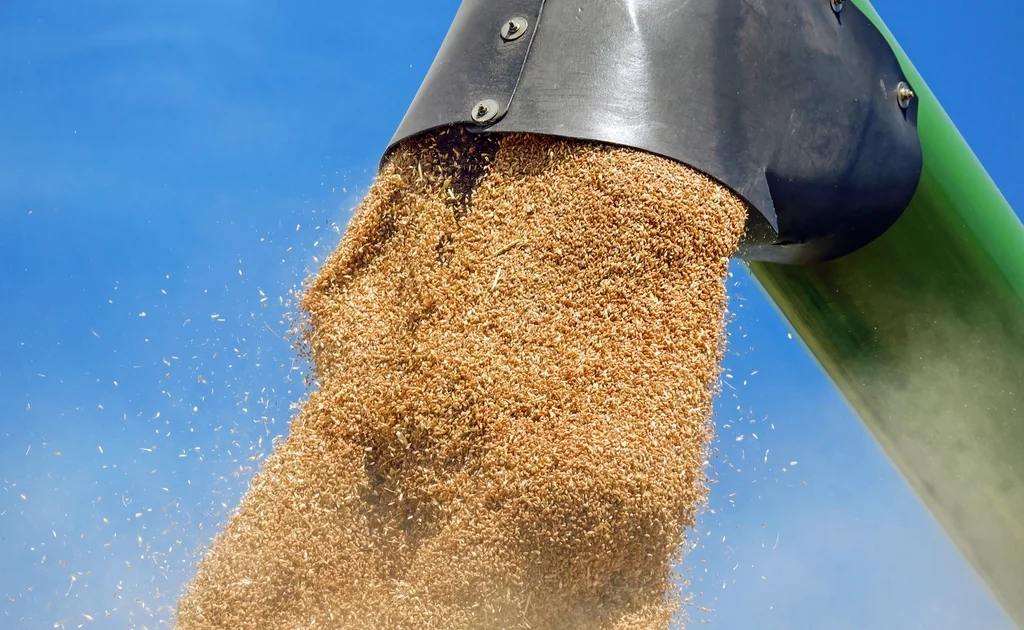
Walk down the grain aisle today and quinoa is old news; farro, freekeh, and einkorn have quietly taken over the “trendy grain” spotlight in recent years. Marketing often lumps them together under the vague label “ancient grains,” implying they’re automatically healthier than modern wheat, but the reality is more nuanced, and more interesting, once you look at what actually sets each one apart.
A common mistake is assuming all ancient grains are interchangeable or equally beneficial. In truth, each has a distinct nutritional profile, texture, and best use in the kitchen, and understanding those differences helps you actually use them instead of letting an unopened bag sit in the pantry.
What Makes a Grain “Ancient”?
The term isn’t a formal nutritional category; it generally refers to grains that have remained largely unchanged by modern selective breeding, unlike common bread wheat, which has been extensively hybridized over the past century to increase yield and improve baking properties. Farro, freekeh, and einkorn all fall into this category, alongside grains like spelt, kamut, and amaranth.
Being “ancient” doesn’t automatically make a grain more nutritious than modern wheat; it mostly reflects a different breeding history. That said, several of these grains do offer distinct nutritional advantages worth knowing about, particularly around fiber, protein, and micronutrient content.
Farro: The Nutty, Chewy All-Rounder
Farro is a term used somewhat loosely to refer to three related wheat species, einkorn, emmer, and spelt, though in most grocery stores it typically means emmer wheat. It has a distinctly chewy texture and a nutty flavor that holds up well in salads, soups, and grain bowls.
- A good source of fiber, generally providing around 5-7 grams per cooked cup, supporting the fiber intake most adults fall short of.
- Provides a moderate amount of plant protein, roughly 7-8 grams per cooked cup.
- Contains B vitamins and minerals like magnesium and zinc, though exact amounts vary by variety and processing (pearled vs whole).
- Note: farro contains gluten and is not suitable for anyone with celiac disease or gluten sensitivity.
Freekeh: Green Wheat With a Smoky Edge
Freekeh is made from young, green durum wheat that’s harvested early, then roasted and cracked, a process that gives it a distinctive smoky flavor unlike any other grain. Because it’s harvested before full maturity, freekeh retains more of its original fiber and protein density compared to fully matured wheat.
It’s often highlighted for having a particularly high fiber content among grains, with some sources citing roughly 8 grams per cooked cup, notably higher than many other whole grains gram for gram. It also carries a lower glycemic profile than more processed wheat products, which may support steadier post-meal blood sugar for some people, though individual response to any carbohydrate source varies.
Einkorn: The Oldest Cultivated Wheat
Einkorn is considered one of the earliest wheat varieties ever domesticated, with a genetic structure simpler than modern bread wheat. Some research suggests einkorn may contain a different (and for some people, more digestible) form of gluten compared to modern wheat, though it is still not appropriate for anyone with celiac disease, since it does contain gluten proteins.
Nutritionally, einkorn tends to have a higher protein content than many modern wheat varieties, along with meaningful amounts of lutein, an antioxidant also found in leafy greens that’s associated with eye health. Its flavor is often described as rich and slightly sweet, distinct from the more neutral taste of standard wheat berries.
How They Compare Side by Side
While exact values vary by brand and preparation, general patterns hold across these three grains relative to fully refined modern wheat products:
- Fiber: freekeh tends to lead, followed closely by farro and einkorn, all outperforming refined wheat flour products.
- Protein: einkorn and farro are both solid plant protein sources; freekeh is comparable but slightly lower per serving.
- Texture: farro is the chewiest and most versatile; freekeh has a distinctive smoky, slightly crunchy bite; einkorn cooks up tender with a mild sweetness.
- Cooking time: all three take longer than white rice or quinoa, generally 20-40 minutes depending on whether they’re pearled or whole.
How to Add Ancient Grains to Your Diet
- Start with farro if you’re new to ancient grains; it’s the most widely available and has the mildest learning curve for cooking and pairing.
- Cook a large batch (2-3 cups dry) at the start of the week and refrigerate, since these grains reheat well and hold their texture better than rice.
- Swap them into familiar dishes: use farro in place of rice in a grain bowl, freekeh in place of bulgur in tabbouleh, or einkorn berries tossed into a hearty salad.
- Pair with protein and vegetables to build a balanced plate, since these grains alone are a source of carbohydrates and some protein, not a complete meal.
- Check the package for “pearled” vs “whole”: pearled versions cook faster but have had some of the fibrous outer bran removed, slightly reducing fiber content compared to the whole grain.
None of these grains are necessary for a healthy diet, and more familiar whole grains like oats, brown rice, and barley offer many of the same fiber and nutrient benefits. Ancient grains are best thought of as a flavorful, nutritious variation worth rotating in, not a mandatory upgrade.
Who Should Be Cautious
All three grains discussed here contain gluten and are unsuitable for anyone with celiac disease or a diagnosed gluten sensitivity, regardless of marketing claims suggesting ancient grains are easier to digest. Anyone with a wheat allergy specifically should also avoid all three, since they belong to the same broader wheat family. As always, if you have a diagnosed digestive condition, check with a healthcare provider or registered dietitian before making significant dietary changes.
Are ancient grains gluten-free?
No. Farro, freekeh, and einkorn are all wheat varieties and contain gluten. Truly gluten-free ancient grains include quinoa, amaranth, buckwheat, and millet.
Is einkorn easier to digest than modern wheat?
Some people report better tolerance, and its simpler gluten structure has drawn research interest, but it is not considered safe for anyone with celiac disease, and scientific evidence for broadly improved digestibility remains limited.
Which ancient grain has the most fiber?
Freekeh is often cited as having the highest fiber content among these three, largely because it’s harvested while the wheat is still young and green, preserving more of its natural fiber structure.
Can I substitute ancient grains one-for-one in recipes?
Generally yes for grain bowls, salads, and side dishes, though cooking times and liquid ratios differ, so it’s worth checking package instructions rather than assuming identical preparation to rice or quinoa.
Related reading
Affiliate & medical disclosure: This review is independent and for information only, not medical advice. Some links may be affiliate links; we may earn a commission at no cost to you, which never affects our score. Consult a licensed provider before starting any product.