Beta-Carotene and Vitamin A: Food Sources, Benefits, and Toxicity Risks
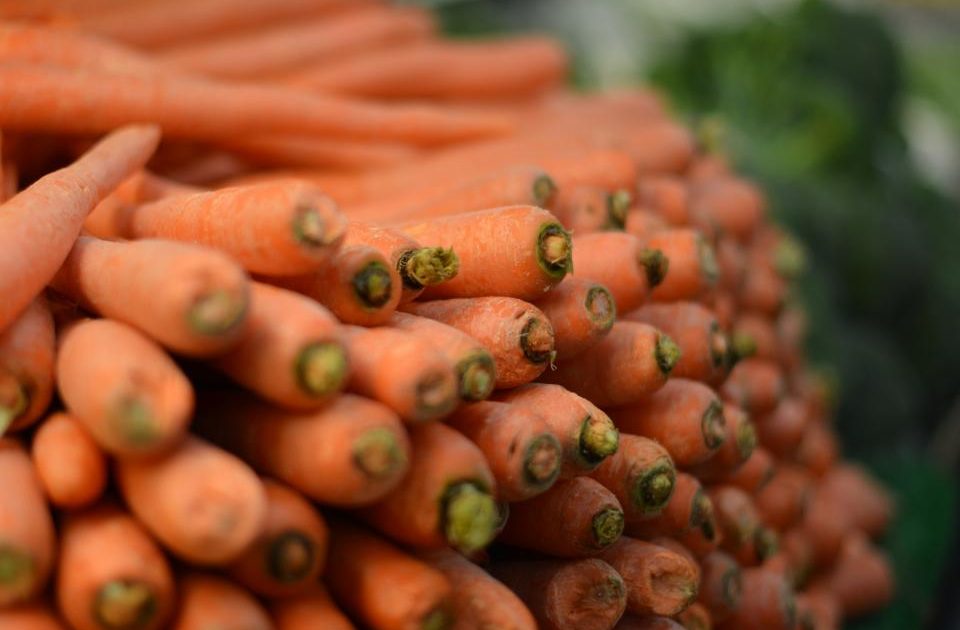
The carrot-improves-eyesight myth traces back to WWII British propaganda, but there’s a kernel of real biology buried in the legend. Carrots are rich in beta-carotene, a plant compound your body converts into vitamin A, a nutrient genuinely essential for vision, immune function, and skin health. The wartime story was exaggerated, but the underlying nutrient science is not.
What’s less commonly understood is that vitamin A comes in two very different forms with very different safety profiles, and that more isn’t automatically better. Understanding the distinction between plant-based beta-carotene and animal-based preformed vitamin A matters for anyone thinking seriously about their nutrient intake.
Two Forms of Vitamin A: Why It Matters
Vitamin A exists in two dietary forms. Preformed vitamin A (retinol and retinyl esters) comes from animal sources like liver, dairy, and eggs, and is absorbed directly. Provitamin A carotenoids, including beta-carotene, come from plant sources like carrots, sweet potatoes, and leafy greens, and your body converts them into active vitamin A as needed.
This conversion process is key to safety. The body tightly regulates how much beta-carotene it converts into active vitamin A, which is why toxicity from plant sources is essentially unheard of, unlike preformed vitamin A, which can accumulate to harmful levels if consumed in excess through diet or supplements.
- Preformed vitamin A: retinol, found in liver, fish oils, dairy, and eggs
- Provitamin A: beta-carotene and related carotenoids, found in colorful produce
- The body self-regulates beta-carotene conversion, providing a natural safety buffer
What Vitamin A Actually Does
Vitamin A supports several distinct physiological functions, not just eyesight. It plays a central role in maintaining the light-sensing cells in the retina, which is where the vision connection originates, deficiency can genuinely cause night blindness in severe cases.
Beyond vision, vitamin A supports immune function by maintaining the integrity of skin and mucous membranes, the body’s first line of defense against pathogens, and plays a role in cell growth and differentiation throughout the body.
- Supports low-light and color vision through retinal pigment maintenance
- Maintains skin and mucous membrane barriers that help block pathogens
- Supports immune cell function and normal cell growth
- Contributes to reproductive health and fetal development during pregnancy
Good Food Sources
The Academy of Nutrition and Dietetics recommends adults aim for roughly 700 micrograms RAE per day for women and 900 micrograms RAE per day for men, achievable through a varied diet without supplementation for most healthy people.
Orange and dark leafy vegetables are among the richest beta-carotene sources, while liver and fortified dairy provide concentrated preformed vitamin A.
- Sweet potatoes, carrots, and pumpkin (beta-carotene)
- Spinach, kale, and other dark leafy greens (beta-carotene)
- Liver and organ meats (very high in preformed vitamin A, easy to over-consume)
- Eggs, fortified milk, and cheese (moderate preformed vitamin A)
- Red and orange bell peppers, mangoes, and apricots (beta-carotene)
The Toxicity Risk: Why More Isn’t Better
Because preformed vitamin A is fat-soluble and stored in the liver, chronic excess intake, typically from high-dose supplements or excessive liver consumption, can build up to toxic levels over time. Symptoms of vitamin A toxicity (hypervitaminosis A) can include headaches, dizziness, nausea, and in severe or prolonged cases, liver damage or bone problems.
The NIH notes that the tolerable upper intake level for preformed vitamin A in adults is generally set around 3,000 micrograms RAE per day, a threshold that’s realistic to exceed with regular high-dose supplement use or very frequent liver consumption, but essentially impossible to reach through beta-carotene-rich produce alone.
- Toxicity is a risk mainly with supplements and concentrated animal sources, not vegetables
- Pregnant individuals are advised to be especially cautious with preformed vitamin A due to birth defect risk at high doses
- Eating excessive beta-carotene can cause a harmless yellow-orange skin tint (carotenemia), which resolves with reduced intake
Who Might Actually Need a Supplement
Most people eating a varied diet with regular vegetable intake meet their vitamin A needs without supplementation. Certain groups are more at risk of deficiency, including people with fat malabsorption conditions, some older adults, and populations with limited access to varied diets, a concern the WHO highlights in the context of global public health, since vitamin A deficiency remains a leading cause of preventable childhood blindness in some regions.
In wealthier countries with reliable food access, vitamin A deficiency is uncommon, and supplementation should generally be guided by a healthcare provider rather than assumed necessary.
- People with Crohn’s disease, celiac disease, or other fat malabsorption issues
- Individuals following very restrictive diets with limited produce variety
- Anyone considering supplementation should discuss dosing with a healthcare provider first
How to Apply This: Building Vitamin A Into Your Diet
For most people, the safest and most effective approach to vitamin A is through food rather than supplements, leaning on the body’s natural regulation of beta-carotene conversion.
- Include at least one orange or dark leafy vegetable daily: sweet potato, carrots, spinach, or kale
- Pair vitamin A-rich vegetables with a source of fat (olive oil, nuts, avocado) to improve absorption, since vitamin A is fat-soluble
- Limit liver consumption to occasional servings rather than a daily staple, given its very high preformed vitamin A content
- Avoid high-dose vitamin A supplements unless specifically recommended by a healthcare provider
- If pregnant, check supplement labels carefully and discuss any vitamin A-containing products with a prenatal care provider
Can you overdose on vitamin A from eating too many carrots?
No. Beta-carotene from vegetables is regulated by the body’s own conversion process, so excess intake typically just causes a harmless, temporary yellow-orange skin tint rather than toxicity.
Is liver a good source of vitamin A?
Yes, but in very concentrated amounts. A single serving of liver can exceed the daily recommended intake several times over, so it’s best treated as an occasional food rather than a regular one, particularly for pregnant individuals.
Do vitamin A supplements help skin or vision if you’re not deficient?
There’s limited evidence that supplementing beyond adequate levels provides additional benefit for people who aren’t deficient, and unnecessary supplementation carries toxicity risk with preformed vitamin A specifically.
What are early signs of vitamin A deficiency?
Difficulty seeing in low light (night blindness) is one of the earliest and most recognized signs, along with dry eyes and increased susceptibility to infections. Deficiency is uncommon in people eating varied diets in higher-income countries.
Related reading
Affiliate & medical disclosure: This review is independent and for information only, not medical advice. Some links may be affiliate links; we may earn a commission at no cost to you, which never affects our score. Consult a licensed provider before starting any product.