Nut Butters Compared: Peanut, Almond, and Cashew Butter Nutrition
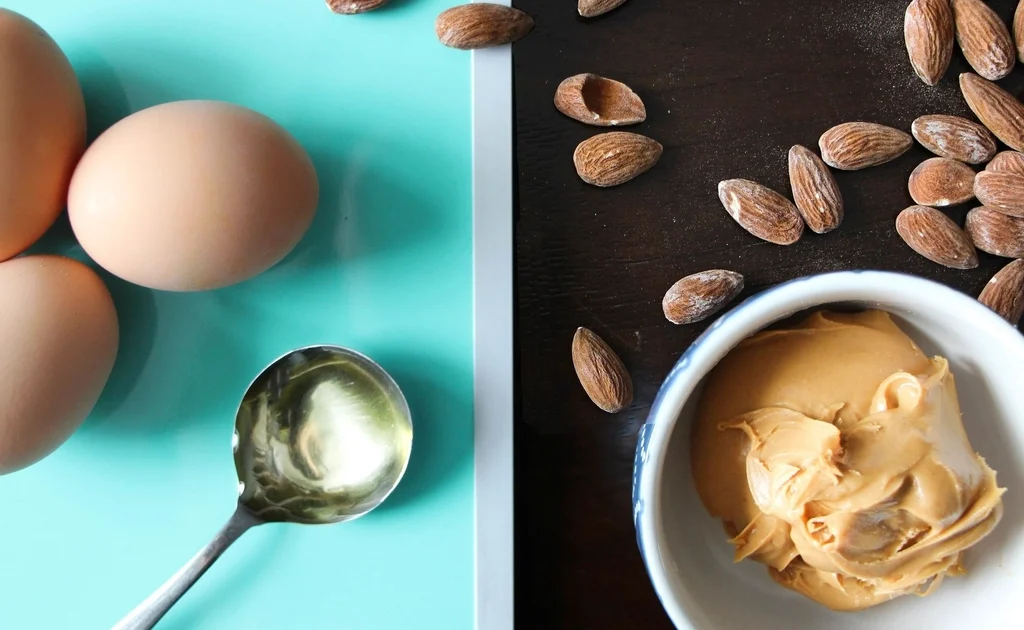
The nut butter aisle has expanded well beyond the classic peanut butter jar, with almond, cashew, and a growing list of alternative spreads all claiming to be the healthiest option. Nutritionally, the differences between them are real but modest, and the choice often comes down more to taste, cost, and how a product is made than any one butter being dramatically superior to the others.
Understanding what actually differs between these spreads — and what to watch for on the label regardless of which one you choose — makes it easier to pick a nut butter that fits your goals rather than just following whichever one is trending.
Peanut Butter: The Nutritional Baseline
Technically a legume rather than a tree nut, peanuts are still nutritionally similar enough to be grouped with other nut butters. Peanut butter is typically the highest in protein among common nut butters, offering roughly 7-8 grams per two-tablespoon serving, along with a solid dose of monounsaturated and polyunsaturated fats, fiber, and micronutrients like niacin and vitamin E.
It’s also usually the most affordable option, which matters given that protein intake recommendations for active adults generally fall in the range of 1.2-2.0 grams per kilogram of body weight, and inexpensive, calorie-dense protein sources like peanut butter can be a practical way to help meet that target, particularly for people building muscle or managing a tight food budget.
Almond Butter: Higher in Certain Micronutrients
Almond butter generally contains slightly less protein than peanut butter, around 6-7 grams per two-tablespoon serving, but it tends to be higher in vitamin E, magnesium, and calcium. Almonds also contain more monounsaturated fat relative to polyunsaturated fat compared with peanuts, which some research associates with favorable effects on cholesterol profiles when used to replace less healthy fat sources in the diet.
Almond butter is typically more expensive than peanut butter, largely due to higher production costs for almonds compared with peanuts. For people specifically prioritizing vitamin E or magnesium intake, or those with a peanut allergy, almond butter is a reasonable substitute, though it isn’t meaningfully “healthier” for most people in a way that would justify the price difference on nutrition alone.
Cashew Butter: Creamier, Lower in Protein and Fiber
Cashew butter tends to have the mildest flavor of the three and a naturally creamy texture, but it’s generally lower in both protein (roughly 4-5 grams per serving) and fiber compared with peanut and almond butter. It does provide a good amount of copper, magnesium, and zinc, minerals that play roles in immune function and metabolism.
Because it’s lower in fiber and protein relative to its calorie content, cashew butter is generally less satiating spoonful-for-spoonful than the other two options, which is worth factoring in if you’re using nut butter as a filling snack rather than purely for flavor.
- Peanut butter: highest protein, most affordable, solid fiber content
- Almond butter: higher vitamin E, magnesium, and calcium; pricier
- Cashew butter: creamiest texture, lower protein and fiber, good source of copper and zinc
What Actually Matters More Than Which Nut: The Label
Regardless of which nut butter you choose, the ingredient list matters more for overall healthfulness than the specific nut itself. Many mainstream brands add significant amounts of sugar, palm oil, or hydrogenated oils for shelf stability and texture, which can meaningfully change the nutritional profile compared with a simple, single-ingredient nut butter.
A good rule of thumb, generally echoed by the Academy of Nutrition and Dietetics’ guidance on minimally processed foods, is to look for a short ingredient list — ideally just the nut (and maybe salt) — rather than products where sugar or oil appear high on the ingredient list. Natural nut butters that separate and require stirring are often a sign of minimal processing, though well-formulated no-stir versions using only nuts and a stabilizer like palm oil in modest amounts can also be reasonable choices.
- Check that nuts are the first (and ideally only) ingredient
- Watch for added sugars, which can add up quickly across multiple servings
- Be aware that “natural” labeling isn’t regulated as strictly as some assume and doesn’t guarantee a short ingredient list
- Portion matters — nut butters are calorie-dense at roughly 180-200 calories per two tablespoons, regardless of which type you choose
Allergies and Individual Considerations
Peanut allergies are among the most common food allergies, and tree nut allergies (which include almonds and cashews) are a separate, though sometimes overlapping, category. People with one type of allergy shouldn’t assume the other category is automatically safe, since allergy patterns vary significantly between individuals, and cross-contamination during manufacturing is also a relevant concern for people with severe allergies.
Sunflower seed butter has become a popular allergy-friendly alternative for people who need to avoid both peanuts and tree nuts, offering a similar protein and fat profile to nut butters without the common allergen concerns, though it’s worth checking labels since some facilities process seed butters alongside nut products.
How to Apply This: Choosing the Right Nut Butter for Your Goals
Rather than searching for a single “best” nut butter, it makes more sense to match the choice to what you actually need from it.
- Prioritizing protein and budget: peanut butter is generally the most practical choice, offering strong protein content at the lowest cost per serving.
- Prioritizing micronutrient variety: almond butter offers a modest edge in vitamin E, magnesium, and calcium if cost isn’t a limiting factor.
- Prioritizing texture and mild flavor: cashew butter works well in recipes and smoothies where you want creaminess without a strong nutty taste dominating.
- Managing allergies: sunflower seed butter is a widely available alternative that avoids both peanut and tree nut allergens.
- In all cases: read the ingredient label first, since a low-quality peanut butter loaded with added sugar can be less nutritionally sound than a well-made almond or cashew butter, and vice versa.
As with most single foods, no nut butter is a magic health food or a food to avoid entirely for most people — it’s the overall dietary pattern and portion sizes that matter most for long-term health outcomes.
Is natural peanut butter healthier than regular peanut butter?
Generally yes, in the sense that natural versions typically contain fewer added sugars and oils, though “regular” peanut butter brands vary widely, so checking the label is more reliable than relying on the word “natural” alone.
Can nut butter help with weight management?
It can be part of a weight-management approach due to its protein, fiber, and healthy fat content supporting satiety, but because it’s calorie-dense, portion control matters more with nut butter than with lower-calorie-density foods.
Which nut butter has the least saturated fat?
Almond butter generally has the lowest saturated fat content of the three, followed closely by peanut butter, while cashew butter tends to be slightly higher in saturated fat, though all three remain predominantly unsaturated-fat foods overall.
Is it okay to eat nut butter every day?
For most people without allergies, moderate daily consumption (roughly one to two tablespoons) fits comfortably within a balanced diet and is associated with favorable, not adverse, health outcomes in most nutrition research.
Affiliate & medical disclosure: This review is independent and for information only, not medical advice. Some links may be affiliate links; we may earn a commission at no cost to you, which never affects our score. Consult a licensed provider before starting any product.