Foot Strength and Toe Spacers: The Overlooked Foundation of Movement
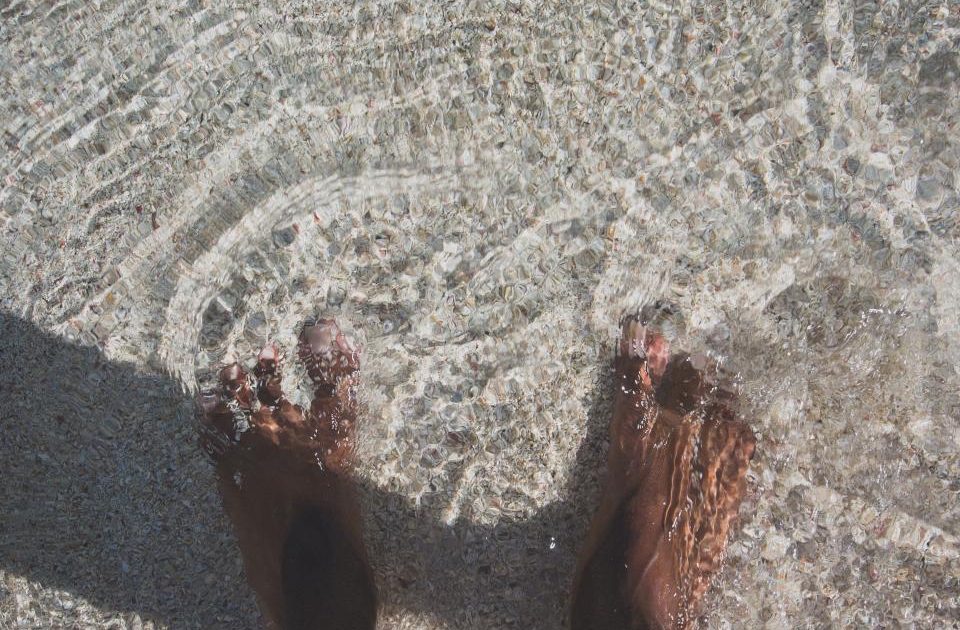
Most training programs work their way up the body — squats for the legs, planks for the core, presses for the shoulders — while completely skipping the 26 bones and dozens of small muscles that touch the ground first. Weak, stiff feet, often shaped by years in narrow, cushioned shoes, can quietly undermine balance, running mechanics, and even knee and hip alignment.
A common mistake is assuming foot problems are purely genetic or an inevitable part of aging. While some factors like foot shape are largely fixed, research suggests that foot strength and mobility respond to training much like any other muscle group, and neglecting them can contribute to issues further up the kinetic chain.
Why Foot Strength Matters More Than It Gets Credit For
The foot contains 26 bones, more than 30 joints, and roughly 100 muscles, tendons, and ligaments, giving it a role far more complex than simply cushioning each step. Strong, mobile feet contribute to balance, shock absorption, and efficient force transfer during walking, running, and lifting.
Research consistently shows that modern footwear, particularly shoes with narrow toe boxes, elevated heels, and rigid, heavily cushioned soles, can reduce the natural range of motion and strength-building stimulus the foot would otherwise get from daily movement. Over years, this can contribute to weakened intrinsic foot muscles, a phenomenon sometimes described in podiatry and physical therapy literature as “footwear-induced foot weakness.” Research consistently shows that targeted foot-strengthening exercises performed consistently over 8-12 weeks can measurably improve intrinsic foot muscle strength and arch function, similar to how any other muscle group responds to progressive training.
What Toe Spacers Actually Do
Toe spacers are simple devices, usually silicone, worn between the toes to gently realign them into a more natural, splayed position. Years of narrow, tapered shoes can push the toes together and even overlap them, which can restrict the toes’ ability to spread and grip the ground effectively during movement.
- Encourage toes to spread into a more natural resting position
- May improve short-term balance and ground-contact awareness when worn during specific exercises
- Are a passive tool, not a substitute for active foot-strengthening exercise
- Are generally used for short daily sessions rather than all-day wear, especially at first
It’s worth setting realistic expectations: toe spacers can help restore some mobility and comfort, particularly for people with bunions or overlapping toes, but they work best paired with active exercises that build strength, not as a stand-alone fix.
Signs Your Feet Might Need More Attention
Weak or stiff feet don’t always announce themselves directly. Instead, they often show up as recurring issues elsewhere in the body.
- Frequent ankle rolls or a sense of instability on uneven ground
- Plantar fasciitis or general arch discomfort after standing or walking
- Bunions or toes that increasingly overlap or crowd together
- Knee or hip discomfort during running that doesn’t have an obvious other cause
How to Start Training Your Feet
As with any new training stimulus, the foot responds better to gradual progression than an aggressive overhaul. Jumping straight into barefoot running or hours of toe-spacer wear can cause more harm than good if the tissues aren’t prepared.
A Simple Weekly Foot-Strengthening Routine
- Toe spreads and lifts: sit or stand, and practice spreading your toes apart and lifting just the big toe while keeping the others down, 10-15 reps per foot
- Towel scrunches: place a small towel on the floor and scrunch it toward you using only your toes, 2-3 sets per foot
- Short foot exercise: gently draw the ball of the foot toward the heel without curling the toes, building the arch, hold 5-10 seconds for several reps
- Toe spacer wear: start with 10-15 minutes while seated or during light activity, gradually increasing as tolerated
- Barefoot walking on safe, varied surfaces (grass, sand) for short periods to build natural sensory feedback and strength
Most people can incorporate this routine two to four times a week alongside their regular training. If you have diabetes, neuropathy, structural foot deformities, or persistent pain, check with a podiatrist or physical therapist before starting a new foot-strengthening or barefoot program, since these conditions change what’s safe to try.
Choosing Footwear That Supports Foot Health
Footwear with a wide toe box, a flat or low heel-to-toe drop, and minimal structured support allows the foot to move and engage its own muscles more naturally than heavily cushioned, narrow shoes. This doesn’t mean every shoe needs to be minimalist; it means being thoughtful about giving your feet time to move naturally, whether barefoot at home or in appropriately roomy footwear, rather than keeping them constrained all day.
Transitioning to less structured or more minimal footwear should also be gradual. Research on barefoot and minimalist shoe transitions generally recommends easing in over several weeks to months to avoid overloading tissues that aren’t yet conditioned for the change. A practical approach is to keep one pair of more structured shoes for long days on hard pavement while reserving minimal or wide-toe-box footwear for shorter walks, gradually shifting the balance as your feet adapt.
It’s also worth paying attention to how your current shoes fit at the widest part of your foot. If your toes are visibly compressed or your foot overhangs the sole’s edge while standing, that’s a sign your everyday footwear may be limiting natural foot function regardless of how supportive it feels underfoot.
Do toe spacers actually work, or is it just a trend?
They can provide real short-term benefits for toe alignment and comfort, especially for people with bunions or crowded toes, but they work best combined with active foot-strengthening exercises rather than used alone.
How long does it take to build foot strength?
Like other muscle groups, meaningful improvements typically take several weeks to a few months of consistent practice, though many people notice better balance and comfort sooner.
Can foot exercises help with plantar fasciitis?
Strengthening exercises are often included in evidence-based plantar fasciitis management, though persistent or severe pain should be evaluated by a healthcare provider rather than self-treated.
Is barefoot walking safe for everyone?
Not necessarily. People with diabetes, neuropathy, or certain foot conditions should consult a healthcare provider first, since reduced sensation can increase injury risk during barefoot activity.
Affiliate & medical disclosure: This review is independent and for information only, not medical advice. Some links may be affiliate links; we may earn a commission at no cost to you, which never affects our score. Consult a licensed provider before starting any product.