Tofu and Soy Foods: Debunking Myths About Soy and Hormones
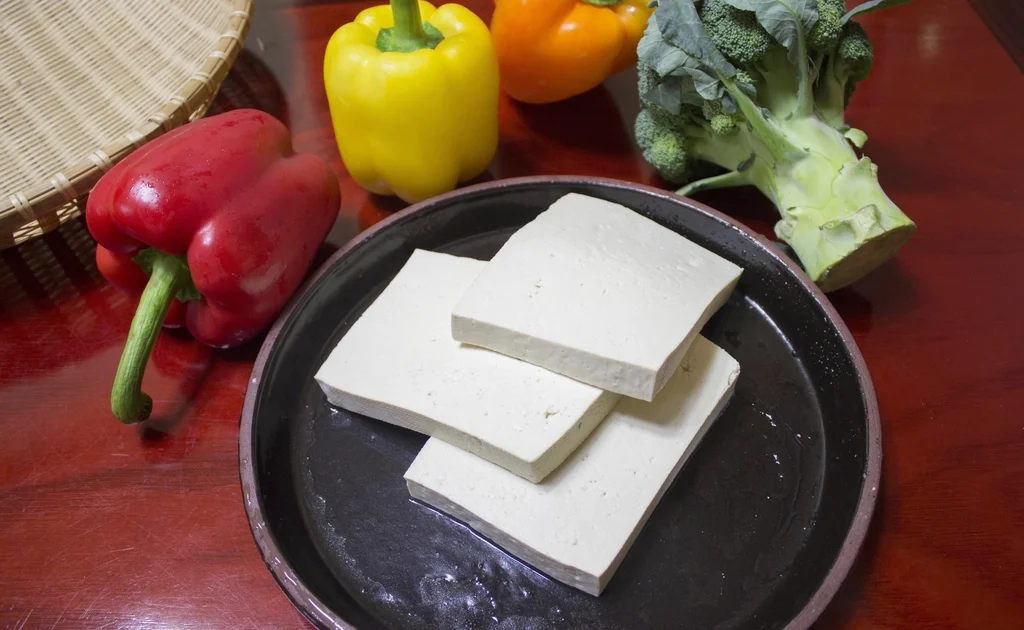
Ask around and you’ll likely hear that soy raises your risk of breast cancer, tanks testosterone, or throws off your thyroid — claims repeated so often they’ve become accepted as fact for a lot of people, despite not holding up well against the evidence. Soy has arguably the worst-earned reputation of any whole food in the modern diet.
Tofu, edamame, soy milk, and tempeh have been dietary staples in parts of Asia for centuries, and they’re increasingly common on Western plates too, especially among people eating more plant-based meals. Here’s what the evidence actually supports, and where the popular fears about soy come from.
Where the Soy Fears Came From
Most concerns about soy trace back to its content of isoflavones, plant compounds that can weakly bind to estrogen receptors in the body. Because of this loose structural similarity to estrogen, early animal research — much of it using doses far higher than a person would realistically consume through food, and in some cases using animal models that metabolize isoflavones differently than humans do — raised early theoretical concerns about hormone-related effects. Those findings got amplified into blanket warnings that never fully reflected what the human research actually showed.
Isoflavones are what’s known as phytoestrogens — plant compounds that can interact with estrogen receptors, but typically much more weakly than the body’s own estrogen, and sometimes with effects that are opposite to what you’d expect from a stronger estrogenic compound. That distinction matters enormously, and it’s the piece that tends to get lost when the topic comes up in casual conversation.
What the Evidence Actually Shows About Soy and Hormones
Research consistently shows that moderate soy consumption does not meaningfully lower testosterone levels in men. Multiple reviews pooling data across controlled studies have found no significant effect of soy or isoflavone intake on testosterone at typical dietary intake levels, which directly contradicts one of the most persistent claims about soy.
On the breast cancer question, the picture has actually shifted substantially over the past two decades. Large population studies, particularly from countries where soy is a dietary staple, have found that soy intake is not associated with increased breast cancer risk, and some research suggests a modest protective association, particularly when soy foods are consumed regularly from a young age. Major health organizations, including the Academy of Nutrition and Dietetics, recognize soy foods as a safe and beneficial part of a healthy diet, including for breast cancer survivors, a notable shift from the caution that was common in nutrition guidance a couple of decades ago.
What About Thyroid Function?
Soy does contain compounds called goitrogens, which can theoretically interfere with thyroid hormone production in some circumstances. However, research consistently shows this is primarily a concern for people with an existing iodine deficiency or an already compromised thyroid, not for people with adequate iodine intake and normal thyroid function. For most people eating a varied diet with sufficient iodine — found in iodized salt, dairy, and seafood — moderate soy intake has not been shown to meaningfully affect thyroid function.
People with diagnosed thyroid conditions, particularly hypothyroidism, are sometimes advised to space soy consumption a few hours apart from thyroid medication, since soy can affect the absorption of some thyroid drugs. This is a practical timing consideration rather than a reason to avoid soy altogether, and it’s worth discussing with a healthcare provider if you’re on thyroid medication.
The Nutritional Case for Soy Foods
Beyond debunking the myths, soy foods bring genuine nutritional value to the table. Tofu and tempeh are complete proteins, meaning they provide all nine essential amino acids — a relatively rare feature among plant foods, which is part of why soy is such a valuable protein source for people eating plant-based diets.
- Protein: A half-cup of tofu provides roughly 10 grams of protein; tempeh offers even more, closer to 15-16 grams per half-cup.
- Fiber: Edamame and tempeh contribute meaningful fiber, supporting the 25-38 grams per day recommended by the Academy of Nutrition and Dietetics that most adults fall short of.
- Heart health: Research consistently shows that replacing animal protein with soy protein is associated with modest reductions in LDL cholesterol, supporting cardiovascular health.
- Micronutrients: Soy foods provide calcium, iron, and manganese, with calcium content particularly notable in calcium-set tofu.
How to Add More Soy to Your Diet
If you’re soy-curious but unsure where to start, a gradual, practical approach works well:
- Start with edamame. Steamed and lightly salted, it’s an easy, low-commitment way to try soy as a snack or appetizer.
- Use firm tofu in stir-fries. Press it first to remove excess water, then sear it for a firmer, more satisfying texture.
- Try tempeh for a firmer bite. Its nutty flavor and dense texture works well crumbled into sauces or sliced and pan-fried.
- Swap in soy milk. Unsweetened soy milk is one of the closest plant milks to dairy in protein content, making it a practical swap in coffee, cereal, or baking.
- Aim for whole and minimally processed forms. Tofu, tempeh, edamame, and soy milk are preferable to highly processed soy protein isolates found in some packaged foods.
Who Should Be Thoughtful About Soy Intake
For the vast majority of people, soy foods eaten in normal dietary amounts are safe and can be a beneficial part of a balanced diet. A few groups may want to be more deliberate: people on thyroid medication should consider timing, as noted above, and anyone with a soy allergy should obviously avoid it. As with any single food, variety matters — soy foods work best as part of a varied diet rather than as an enormous share of daily protein intake, though there’s no strong evidence that typical dietary amounts pose a risk for the general population. As always, individual health circumstances vary, so anyone with specific health conditions should check with a healthcare provider or registered dietitian about how soy fits into their diet.
Does soy lower testosterone in men?
No. Research consistently shows that moderate soy or isoflavone intake does not meaningfully affect testosterone levels at typical dietary amounts, despite this being one of the most commonly repeated claims about soy.
Is soy safe for breast cancer survivors?
Current evidence and guidance from major nutrition organizations, including the Academy of Nutrition and Dietetics, support moderate soy food consumption as safe for breast cancer survivors, a shift from more cautious guidance issued decades ago based on limited animal data.
Can soy affect my thyroid?
For most people with adequate iodine intake and normal thyroid function, moderate soy intake hasn’t been shown to meaningfully affect thyroid function. Those on thyroid medication may want to space soy consumption from their dose and discuss timing with a healthcare provider.
How much soy is considered a moderate, healthy amount?
There’s no single official number, but one to two servings a day — such as a cup of soy milk plus a half-cup of tofu or edamame — is a commonly cited range that fits comfortably within a varied, balanced diet.
Related reading
Affiliate & medical disclosure: This review is independent and for information only, not medical advice. Some links may be affiliate links; we may earn a commission at no cost to you, which never affects our score. Consult a licensed provider before starting any product.