Natural Stacks vs Typical Nootropics: What the Open-Label Promise Really Buys
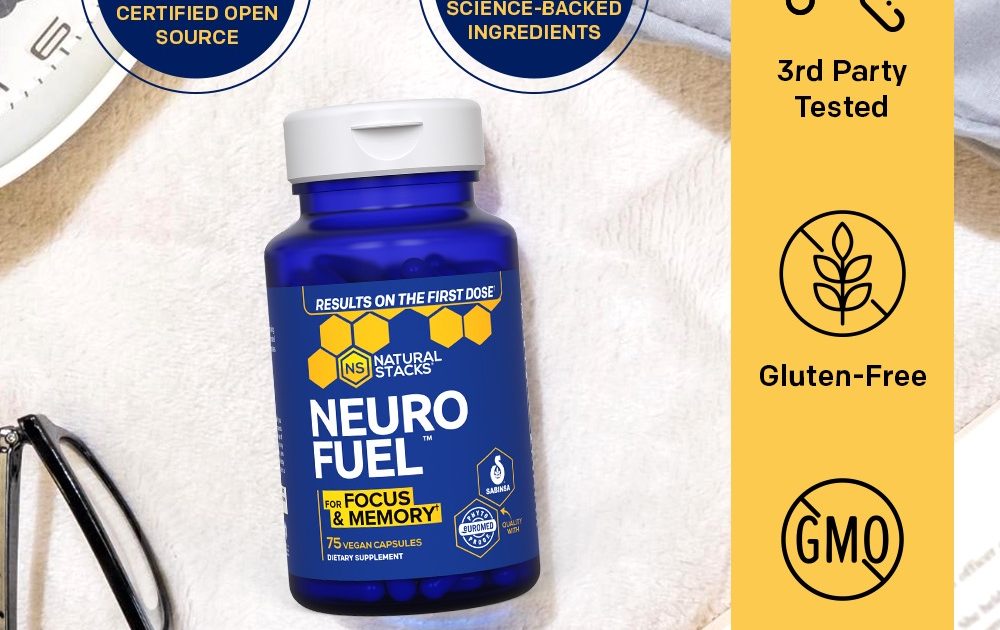
Flip over most nootropic bottles and you’ll hit the same wall I did: a “Proprietary Blend, 850 mg” line with a dozen ingredients under it and not a single individual dose. You’re told what’s in there, just not how much of each. That gap is the whole reason the Natural Stacks vs typical nootropics comparison exists, because Natural Stacks built its entire pitch on doing the opposite — publishing every ingredient and every milligram, open-source style.
The question isn’t whether transparency sounds nice. Of course it does. The question is whether an open label buys you a better result, or just a warmer feeling while you swallow a capsule. I’ve taken enough of these to have opinions.
What a proprietary blend is actually hiding
Here’s the mechanics. The FDA requires supplements to carry a Supplement Facts panel, but it lets brands group ingredients into a “proprietary blend” and disclose only the total weight, not the amount of each component. Legal, common, and genuinely useful if you’re a company that wants to look impressive cheaply. You can list an exciting ingredient, add a pinch of it — the industry nickname is “fairy dusting” — and let the total blend weight do the marketing. The customer literally cannot tell an effective dose from a sprinkle.
That matters because dose is everything with this category. L-theanine at 200 mg does something; at 20 mg it’s decoration. If a blend won’t tell you which one you’re getting, you’re paying to guess.
What Natural Stacks does differently
Natural Stacks labels itself “certified open source.” Every product spells out each ingredient at its exact dose, and the brand publishes third-party test results too. Their flagship, NeuroFuel (the reformulated CILTEP), runs $34.95 for 75 vegan capsules aimed at focus and memory. The lineup stretches from NeuroAlert and NeuroMulti at $34.95 to Smart NMN at $29.95 and MagTech at $29.95, with subscriptions knocking up to 40% off. That’s above bargain-bin pricing but squarely mid-market — not the premium you might expect for the transparency angle.
The practical payoff of open labeling is that you can fact-check the brand against research. See 300 mg of a compound listed, look up whether studies used 300 mg, and decide for yourself. You can’t run that check on a blend that hides the numbers. That’s the real product here — not magic capsules, but the ability to verify what you’re buying.
Here’s how that plays out in practice. Say a NeuroFuel-style label lists L-theanine at 200 mg. You can pull up the studies, confirm that’s the range researchers used, and know you’re getting a meaningful amount. Now try that with a bottle that says “Focus Blend 500 mg” — you can’t, full stop, because the 500 mg might be 480 mg of cheap filler and 20 mg of the thing you actually wanted. One label invites a check; the other forbids it. Once you’ve done that comparison a couple of times, the proprietary versions start to feel a little insulting, honestly. You realize how much they’re counting on you not looking.
Natural Stacks vs typical nootropics, side by side
| Factor | Natural Stacks (open label) | Typical proprietary-blend nootropic |
|---|---|---|
| Dose disclosure | Every ingredient, exact mg | Total blend weight only |
| Can you verify vs research? | Yes | No |
| Third-party testing | Published | Varies, often unstated |
| Price | ~$29.95–$34.95 per product | $15–$60, wide range |
| “Fairy dusting” risk | Visible if present | Impossible to detect |
| FDA evaluation | None (true of all supplements) | None |
Worth saying plainly: an open label is not a promise the product works. It’s a promise you can check. A perfectly transparent formula can still list doses that are too low, or ingredients the science doesn’t support. Transparency just moves the homework onto you instead of leaving you blind. And no supplement here — Natural Stacks included — is FDA-evaluated to treat or cure anything. Keep expectations sober.
My honest gripe
Open labels only help people who’ll actually use them. Most buyers won’t cross-reference doses against studies — they’ll see “open source,” feel reassured, and buy. In that case you’re paying a small premium over a random proprietary blend for a feature you never touch. The transparency is real and I respect it, but it rewards the diligent and quietly overcharges the rest. If you’re not going to read the label, the marketing is working on you the same way everyone else’s does.
Who it’s for
If you’re the type who reads ingredient panels, checks doses, and wants to build a stack you understand, Natural Stacks is close to ideal and the pricing is fair for it. If you just want “a focus pill” and won’t do the reading, honestly, a well-reviewed budget option might serve you the same and cost less. The open-label promise pays off in direct proportion to how much homework you’re willing to do.
Frequently asked questions
What exactly does a proprietary blend hide?
It hides the dose of each individual ingredient. FDA rules let brands list a blend’s total weight and the ingredients inside it, without saying how much of each. So a formula can feature a research-backed compound while including too little to matter, and you’d have no way to know from the label.
Does an open label mean the product works better?
No. It means you can check whether it should work. Open labeling lets you compare the listed doses against published research, but it doesn’t guarantee those doses are effective or that the ingredients are right for you. It removes the guesswork, not the responsibility to read.
Is Natural Stacks pricier than proprietary-blend brands?
Sometimes, but not dramatically. Most products land around $29.95 to $34.95, with subscriptions up to 40% off, which is mid-market rather than premium. You can find cheaper proprietary blends, but you’re trading away the ability to see what you’re actually getting.
Where should a first-timer start?
NeuroFuel is the usual entry point — one product, a clear focus-and-memory goal, and a fully disclosed label you can learn from. Start with a single item rather than stacking three at once, so if something works (or doesn’t) you know which capsule to credit or blame.
Related reading
Affiliate & medical disclosure: This review is independent and for information only, not medical advice. Some links may be affiliate links; we may earn a commission at no cost to you, which never affects our score. Consult a licensed provider before starting any product.