Direct Meds vs Full-Service GLP-1 Telehealth: When Bare-Bones Pricing Wins
There’s a specific kind of buyer who resents paying for an app they’ll open twice. Maybe you are that buyer — someone who’s lost weight on a GLP-1 before, knows how to work a pen, and doesn’t want a coach texting daily affirmations or a dashboard tracking your steps. Direct Meds is built for exactly that person, and this Direct Meds vs full-service GLP-1 telehealth breakdown is really a question about you in 2026: are you paying for support you’ll use, or padding a bill for features you’ll ignore?
The pitch is simple. Direct Meds sells compounded GLP-1 medication with direct, all-inclusive pricing, a licensed provider reviewing your intake, and not much else layered on top. No app. No coaching curriculum. No weekly check-in nudges. For the self-directed, that stripped-down model is the entire appeal. For a nervous first-timer, it can feel like being handed a needle and wished good luck.
What Direct Meds Charges, and What It Skips
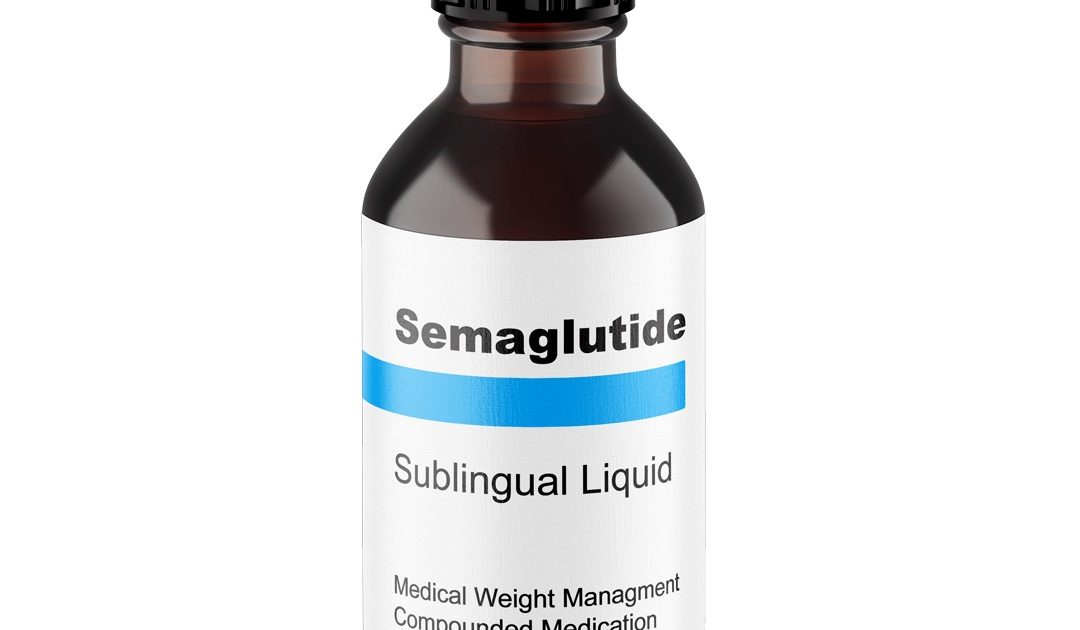
Pricing runs by format. Compounded semaglutide injections land somewhere around $197 to $297 a month depending on the plan and any promo, with sublingual drops cheaper at about $179. Tirzepatide is the pricier lane: roughly $349 to $497 a month for injections, $224 for the drops. Every quote folds in the provider consultation, the medication, shipping, and injection supplies, with no membership fee and nothing extra sprung on you at checkout. Prescriptions ship within one business day, and nurse support is included if you hit a snag.
Here’s my honest gripe, though. “Bare-bones” gets read as “cheapest,” and Direct Meds isn’t always that. Its injectable tirzepatide sits in the same neighborhood as programs that bundle far more support. So the value case doesn’t rest on rock-bottom price — it rests on simplicity and speed. You’re paying for a clean, fast transaction, not necessarily the lowest number on the internet.
Direct Meds vs Full-Service: The Real Tradeoff
A full-service program hands you a phone app, habit tracking, sometimes a health coach, structured check-ins, and a community feed. That machinery has a cost, and it shows up in your monthly bill or a separate membership fee. Direct Meds cuts all of it and passes the leaner operation along as a more direct price on some formats.
| Feature | Direct Meds | Full-Service Telehealth |
|---|---|---|
| Compounded medication | Yes | Yes |
| Provider review | Yes | Yes |
| App / habit tracking | No | Usually |
| Health coach / curriculum | No | Often |
| Scheduled check-ins | Nurse support on request | Proactive, recurring |
| Membership fee | None | Common |
| Best for | Experienced, self-directed | First-timers wanting structure |
Read that table honestly and the answer isn’t “one is better.” It’s “which column describes you.” A returning user who quit an over-engineered program because the notifications drove them up the wall will love Direct Meds. A first-timer who needs someone to talk them through week-three nausea might quietly fail on it and blame themselves.
When Bare-Bones Pricing Actually Wins
The stripped-down model wins in three clear situations. First, when you’ve done this before and don’t need education — you just need refills and a provider who’ll sign off. Second, when you’re disciplined enough that a coach wouldn’t change your behavior anyway. Third, when the full-service extras are things you’d never touch; paying for an app you won’t open is just a worse deal dressed up as a better one.
Think about the actual dollars, too. If a full-service plan charges $60 a month for an app and coaching you’d genuinely use twice a year, that’s $720 a year for two logins. Cut it, and Direct Meds’ pricing suddenly looks a lot smarter. Flip the person, though, and the math flips with them.
It loses in the mirror image. If accountability is the thing that keeps you consistent, the money a full-service plan charges is buying the exact feature you need most. Roughly 42% of US adults meet the clinical definition of obesity, per NIH data, and the research is blunt about why people succeed or stall on GLP-1s: the ones who stay consistent through the rough early weeks are the ones who finish. If bare-bones access makes you more likely to quit, it’s false economy no matter how clean the checkout page looks.
The Compounding Reality Check
One caveat sits under every program in this comparison. Compounded semaglutide and tirzepatide are not FDA-approved products. Direct Meds fills through 503A compounding pharmacies, a valid prescription is required, and a licensed prescriber decides whether you’re a candidate — the stripped-down model doesn’t change any of that. The category is also under pressure: the FDA declared the tirzepatide and semaglutide shortages resolved in 2024 and 2025, and in April 2026 proposed removing both from the 503B bulk-compounding list. Cheaper access today doesn’t guarantee the same access next year, from Direct Meds or anyone else.
Is Direct Meds cheaper than a full-service GLP-1 program?
Sometimes, not always. Its sublingual drops and semaglutide injections can undercut bundled programs, but its injectable tirzepatide ($349–$497) isn’t a bargain. The savings come from skipping app and coaching fees, so the value depends on the format you choose and the extras you’d otherwise pay for.
Can I switch to Direct Meds if I’m already on a GLP-1?
Often yes, and experienced users are exactly who the model suits. Your history goes into the intake, and a licensed provider reviews it before approving anything. Switching platforms is still a fresh prescribing decision, so approval isn’t automatic just because you’ve used a GLP-1 before.
What kind of support does Direct Meds include?
Nurse support is available when you need it, and a provider is behind your prescription. What you don’t get is proactive structure — no scheduled coaching calls, no habit app pinging you. If you want someone checking in without being asked, a full-service program fits better.
Are the sublingual drops as effective as the injections?
That’s a clinical question for your prescriber, not a marketing one. Drops are priced lower and some people prefer skipping needles, but absorption and dosing differ from injections. Ask the provider which format suits your goals before choosing on price alone.
Related reading
Affiliate & medical disclosure: This review is independent and for information only, not medical advice. Some links may be affiliate links; we may earn a commission at no cost to you, which never affects our score. Consult a licensed provider before starting any product.