Lttl’s Two Plans by the Numbers: Semaglutide at $129 or Tirzepatide at $199?
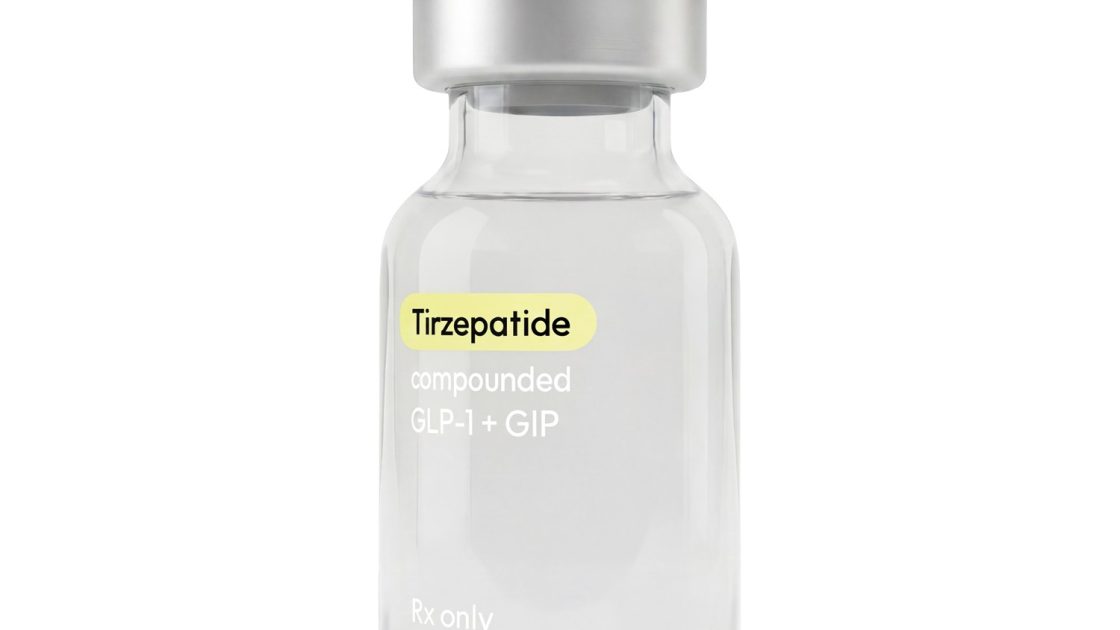
At the end of Lttl’s two-minute intake quiz, half a million members have faced the same fork in the road: a semaglutide plan from $129 a month, or a tirzepatide plan from $199. Sixty-two percent take the more expensive door. Only 36% choose the cheaper one. When nearly two-thirds of a 500,000-member base voluntarily pays a $70 monthly premium, either the crowd knows something — or the crowd is overpaying.
This review is about that one decision. We’ll run both plans through the cost-per-pound math using Lttl’s own reported outcomes, look hard at what the tirzepatide premium actually buys (and what it doesn’t), and sort out which plan fits which buyer. If you’ve already decided GLP-1 telehealth is for you and Lttl is on your shortlist, this is the choice that determines what you spend for the next year.
The Two Doors: What Each Plan Is
The semaglutide plan, from $129/month, is built on the molecule behind Ozempic and Wegovy — a GLP-1 receptor agonist with the longest consumer track record in the category. The tirzepatide plan, from $199/month, uses the molecule behind Mounjaro and Zepbound — a dual-agonist that activates both GLP-1 and GIP receptors, the newer mechanism that has posted the biggest numbers in published trials class-wide.
Everything around the medication is identical. Both plans hold their price at every dose level as you titrate up. Both are FSA/HSA-eligible, require no insurance, carry no contracts, and cancel anytime. Both start with the same quiz, get reviewed by a clinician who builds your plan, and ship free within about 48 hours from FDA-registered US pharmacies, with unlimited 24/7 support and up to $140 off the first month with a code. The wrapper is the same product; you are choosing a molecule and a price.
The Cost Table: Dollars per Pound, Using Lttl’s Own Numbers
Lttl reports the average member on either plan loses about 32 pounds in six months. The plans diverge at the top of the distribution: top semaglutide responders reach 44+ pounds at twelve months, while top tirzepatide responders reach 55+ pounds. Here’s what that does to the math (brand-reported averages, before the first-month discount):
| Metric | Semaglutide plan | Tirzepatide plan |
|---|---|---|
| Monthly price | from $129 | from $199 |
| 6-month spend | $774 | $1,194 |
| 12-month spend | $1,548 | $2,388 |
| Avg loss at 6 months (brand-reported) | ~32 lb | ~32 lb |
| Cost per pound at the average | ~$24 | ~$37 |
| Top-responder mark at 12 months | 44+ lb | 55+ lb |
| Members choosing it | 36% | 62% |
Read that middle section twice, because it’s the finding of this review: at the reported six-month average, both plans deliver the same 32 pounds — but semaglutide does it at roughly $24 per pound and tirzepatide at roughly $37. The $70 monthly premium compounds to $420 over six months and $840 over a year for an identical average outcome.
So What Does the $840 Premium Actually Buy?
An honest answer has three parts. First, ceiling: the top-responder gap (55+ versus 44+ pounds at twelve months) is real in Lttl’s data and consistent with the published trial literature, where dual GLP-1/GIP agonism has outperformed GLP-1 alone at the high end. If you have 60+ pounds to lose, the higher ceiling is worth paying for, because the average matters less to you than the maximum. Second, mechanism: some people respond poorly to one molecule and well to the other; tirzepatide’s second receptor pathway is a genuine pharmacological difference, not marketing. Third — and this is the part the 62% may not have run — if your goal is 25–35 pounds, the brand’s own average says the cheaper plan gets you there for $420–$840 less. The majority’s choice is not automatically the right choice for a median goal.
The standard caveats carry extra weight here: these are compounded medications, which are not FDA-approved products (the molecules are FDA-studied; these specific pharmacy preparations are not). The outcome figures are brand-reported member data, not a head-to-head clinical trial. And a licensed clinician — not your preference — makes the final prescribing call after the quiz.
The Trust Ledger
Scale is Lttl’s quiet argument: 500,000+ members, a 4.5-star average across 125,000+ reviews, and a Forbes Health Best Provider 2026 nod. None of that proves the medicine works better here than elsewhere — the molecules are the molecules — but a review base of that size does derisk the service layer: billing, shipping, support responsiveness. With no contract to trap you, a bad experience costs you one month, not twelve.
Which Buyer Should Pick Which Plan
Goal of 20–35 pounds: take the $129 semaglutide plan. The brand’s own six-month average says you’ll likely reach your goal on either molecule, so pay $24 a pound, not $37. Bank the $840.
Goal of 50+ pounds, or a long timeline: the tirzepatide plan earns its premium. The 55+ pound top-responder ceiling and the dual-agonist mechanism are exactly what a bigger goal needs, and $199 flat at every dose is still well below what dose-tiered rivals charge at maintenance.
Tried semaglutide elsewhere and stalled: switch mechanisms — the GIP pathway is the point of tirzepatide, and non-response to one molecule is the strongest reason to pay for the other.
Budget-capped at ~$130: semaglutide, no hesitation — and use the up-to-$140 first-month code, which can cover essentially the entire first month at this price point.
FAQs
Why do 62% of members pick the more expensive plan?
Tirzepatide carries the newer dual-mechanism story and the bigger headline trial numbers, and many buyers reasonably pay up for the higher ceiling. But Lttl’s own six-month averages are identical, so for moderate goals the premium mostly buys upside you may not need.
Does the price rise as my dose increases?
No — on either plan the monthly price stays put across every dose level. Your budget at sign-up is your budget at maintenance.
Can I start on semaglutide and switch to tirzepatide later?
There’s no contract, so you can change plans between months — message the 24/7 clinical team and your clinician will decide whether a switch makes sense. Starting cheap and escalating only if you stall is a legitimate strategy here.
Are these FDA-approved medications?
The compounded preparations are not FDA-approved products; they’re made by FDA-registered US pharmacies using molecules that went through FDA trials in their brand-name forms. A clinician reviews your intake before anything ships.
Verdict
Lttl’s plan-chooser is one of the cleanest value decisions in GLP-1 telehealth because the confounders are stripped out: same service, same flat-at-every-dose policy, same shipping and support — just two molecules, $70 apart. The numbers say most buyers should do the opposite of the majority: with the six-month averages tied at 32 pounds, the $129 semaglutide plan is the better deal for typical goals, at $24 a pound and as little as nothing out of pocket for month one with the code. Reserve the $199 tirzepatide plan for the buyers it was built for — 50-plus-pound goals, prior semaglutide non-responders, anyone buying the ceiling rather than the average. Either way, the no-contract terms mean the cost of a wrong guess is one month and a message to support. Take the quiz, pick your door with the math in hand, and let the clinician confirm the fit.
Related reading
Affiliate & medical disclosure: This review is independent and for information only, not medical advice. Some links may be affiliate links; we may earn a commission at no cost to you, which never affects our score. Consult a licensed provider before starting any product.