Copper: The Overlooked Trace Mineral for Metabolism and Immunity
When people think about minerals worth tracking in their diet, iron, calcium, and magnesium usually come to mind first. Copper rarely makes the list, yet the NIH Office of Dietary Supplements sets a daily recommended intake of about 900 micrograms for adults, and this trace mineral is quietly involved in some of the body’s most fundamental processes, from energy production to iron metabolism.
A common mistake is assuming that because copper is only needed in tiny amounts, it doesn’t matter much. In reality, both deficiency and excess can cause real problems, and copper’s role in the body is broader than most people realize. Here’s what it actually does, where to get it, and how to think about it in the context of a balanced diet.
What Copper Actually Does in the Body
Copper is a cofactor for numerous enzymes involved in energy production, connective tissue formation, and neurotransmitter synthesis. Research consistently shows copper plays a central role in iron metabolism specifically — it’s required for the body to properly absorb and transport iron, which is part of why copper deficiency can produce symptoms resembling iron-deficiency anemia even when iron intake is adequate.
Copper is also a component of antioxidant enzymes that help neutralize oxidative stress in cells, and it supports the formation of collagen and elastin, the proteins that give skin, blood vessels, and connective tissue their structure and elasticity.
How Common Is Copper Deficiency?
True copper deficiency is relatively uncommon in people eating a varied diet, since copper is present in a wide range of foods. It’s more often seen in specific situations: after certain types of bariatric or gastric surgery that reduce nutrient absorption, in people with malabsorption conditions, or in people taking very high-dose zinc supplements over long periods, since excess zinc interferes with copper absorption.
Symptoms of deficiency can include fatigue, unexplained anemia that doesn’t respond to iron supplementation alone, frequent infections, and in more severe or prolonged cases, bone and connective tissue problems. Because these symptoms overlap with many other conditions, copper deficiency is typically identified through blood testing rather than symptoms alone, and anyone with unexplained anemia or persistent fatigue should discuss testing with a healthcare provider rather than self-diagnosing.
Food Sources of Copper
Copper is found across a fairly wide range of food categories, which is one reason overt deficiency is uncommon with a varied diet:
- Shellfish: Oysters and crab are among the richest natural sources
- Organ meats: Liver is exceptionally concentrated in copper
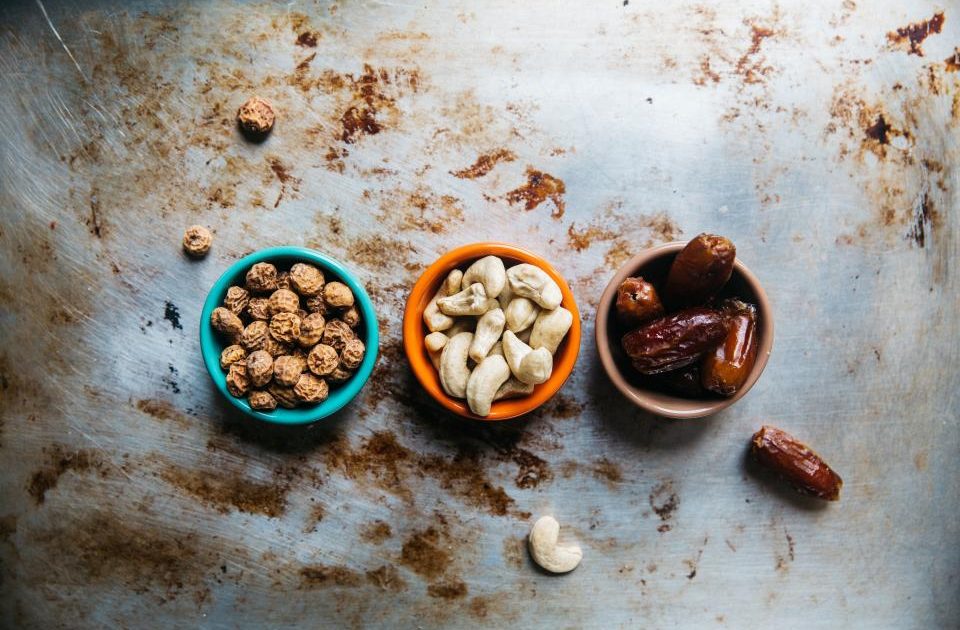
- Nuts and seeds: Cashews, sesame seeds, and sunflower seeds all contribute meaningfully
- Legumes: Lentils and chickpeas provide moderate amounts
- Whole grains: Quinoa and whole wheat contain notable amounts
- Dark chocolate: Cacao is a surprisingly concentrated source of copper
Because copper shows up in such a wide range of everyday foods, most people eating a reasonably varied diet — including some nuts, seeds, whole grains, and legumes — meet their needs without needing to track copper intake specifically.
Copper and the Zinc Balance
One of the more practically important things to understand about copper is its relationship with zinc: the two minerals compete for absorption in the gut, and high-dose zinc supplementation (well above typical dietary amounts) over an extended period is one of the more common causes of copper deficiency in otherwise healthy adults.
This matters because zinc supplements are widely used for immune support, and people taking high-dose zinc for weeks or months at a time, rather than the modest amounts found in a multivitamin, should be aware of this interaction. It’s a good example of why more supplementation isn’t automatically better, and why discussing long-term, high-dose supplement use with a healthcare provider or registered dietitian is worthwhile.
How to Cover Your Copper Needs
For most people, meeting copper needs is straightforward through diet alone rather than supplementation:
- Include a source of nuts or seeds most days, such as a small handful of cashews or a sprinkle of sesame seeds
- Add legumes to meals a few times a week — lentils, chickpeas, and beans all contribute copper alongside fiber and plant protein
- Choose whole grains over refined when possible, since much of a grain’s mineral content is concentrated in the parts removed during refining
- Consider occasional shellfish or organ meats if they fit your diet, as some of the most concentrated natural sources
- Avoid unsupervised high-dose zinc supplementation over long periods without guidance from a healthcare provider
Can You Get Too Much Copper?
Yes, though it’s uncommon from food alone. The NIH sets a tolerable upper intake level of about 10,000 micrograms (10 mg) per day for adults from food and supplements combined. Excess copper, typically from supplements or contaminated water sources rather than diet, can cause gastrointestinal symptoms and, in rare cases involving underlying genetic conditions like Wilson’s disease, more serious liver and neurological effects.
For the vast majority of people, copper toxicity from diet alone is not a practical concern, and the more common real-world issue is inadequate awareness of copper’s role, not excess.
Copper’s Role Alongside Other Minerals
Copper rarely works in isolation. Beyond its interaction with zinc, it also functions alongside iron in the production of red blood cells, and alongside selenium and other trace minerals in the body’s broader antioxidant defense system. This is part of why nutrition researchers increasingly emphasize overall dietary pattern over single-nutrient thinking — a diet that supplies adequate copper through varied whole foods is very likely also supplying adequate amounts of the other trace minerals that work alongside it.
This is a useful mental model for trace minerals in general: rather than trying to optimize each one individually through targeted supplements, building meals around a rotating mix of nuts, seeds, legumes, whole grains, and, if desired, seafood tends to cover the full spectrum more reliably than any single fortified food or supplement.
Do I need to take a copper supplement?
Most people don’t. A varied diet that includes some nuts, seeds, legumes, and whole grains typically provides adequate copper, and supplementation is generally reserved for diagnosed deficiency under medical guidance.
What are the first signs of low copper?
Fatigue and anemia that doesn’t improve with iron supplementation alone are common early signs, though these symptoms overlap with many other conditions, so blood testing is the reliable way to confirm a deficiency.
Can too much zinc really cause a copper deficiency?
Yes. Sustained high-dose zinc supplementation, well above typical multivitamin amounts, is one of the more well-documented causes of copper deficiency, since the two minerals compete for absorption.
Which foods have the most copper?
Shellfish like oysters and crab, organ meats like liver, and plant sources like cashews, sesame seeds, and dark chocolate are among the most concentrated dietary sources.
Related reading
Affiliate & medical disclosure: This review is independent and for information only, not medical advice. Some links may be affiliate links; we may earn a commission at no cost to you, which never affects our score. Consult a licensed provider before starting any product.