Volume Eating: How to Feel Full on Fewer Calories
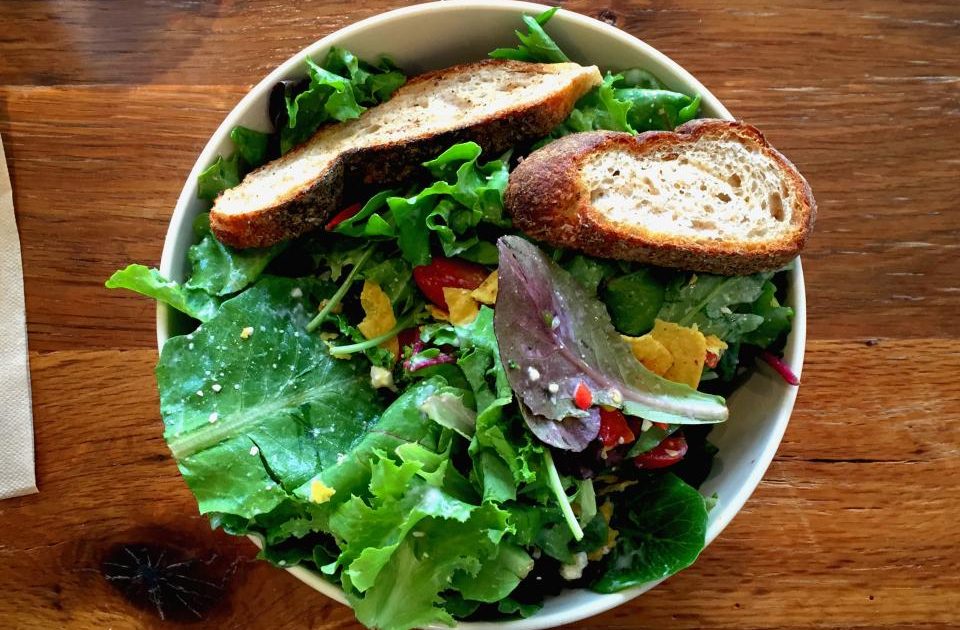
Picture two dinner plates with the same number of calories. One is a small square of lasagna that disappears in six bites. The other is a huge stir-fry piled with vegetables, a lean protein, and a modest portion of rice, taking up most of the plate and requiring real time to finish. Both might land around 500 calories, but only one of them is going to leave you satisfied an hour later.
This is the core idea behind volume eating: choosing foods that give you a large, satisfying portion size for relatively few calories, rather than focusing purely on calorie counts in isolation. It’s not a diet in the traditional sense, and it doesn’t require eliminating any food group. It’s a practical strategy for making calorie reduction feel like less of a fight against your own hunger.
The Science Behind Why Volume Matters
Your stomach has stretch receptors that signal fullness to your brain partly based on physical volume, not just calorie content or nutrient composition. This means a large portion of a low-calorie-density food can trigger a stronger fullness signal than a small portion of a calorie-dense food, even if the calorie-dense option contains more total calories.
Energy density, meaning calories per gram of food, is the key variable here. Foods high in water and fiber, like vegetables, fruits, and broth-based soups, have low energy density, so you can eat a large volume of them for relatively few calories. This lines up with USDA MyPlate guidance, which recommends filling about half of your plate with fruits and vegetables at meals, a proportion that naturally builds volume-eating principles into a standard plate without any special planning. Foods low in water and fiber but high in fat or refined starch, like chips, cheese, or pastries, have high energy density, meaning small portions carry a large calorie load.
Why This Approach Tends to Stick Better Than Restriction
Research consistently shows that hunger and feelings of deprivation are among the strongest predictors of whether someone abandons a calorie-reduced eating pattern. Volume eating sidesteps a lot of that deprivation because you’re not necessarily eating less food by weight or plate size, just less food by calorie density. Feeling physically full, even on fewer calories, is a very different psychological experience than feeling restricted.
This matters for long-term success far more than any single day of eating. A strategy that leaves you feeling deprived might work for a week or two, but a strategy that leaves you satisfied is far more likely to become a sustainable, lasting habit rather than something you white-knuckle through before reverting to old patterns.
The Best Volume-Eating Foods
Certain foods consistently offer the best ratio of volume and satiety to calories, largely because they combine high water content, fiber, or both.
- Non-starchy vegetables: broccoli, spinach, zucchini, peppers, cucumber, cauliflower
- Fruits with high water content: berries, watermelon, oranges, apples
- Broth-based soups, especially vegetable-forward ones
- Lean proteins: chicken breast, white fish, shrimp, egg whites, tofu
- Popcorn (air-popped), which is surprisingly high volume for its calorie count
- Legumes: lentils, chickpeas, black beans, which add fiber and protein together
Many of these foods are also fiber powerhouses, which matters beyond volume alone: the Academy of Nutrition and Dietetics notes most adults fall short of the recommended 25 to 38 grams of fiber a day, so leaning on volume foods tends to close that gap as a side benefit. These foods aren’t off-limits from being combined with more calorie-dense ingredients. The goal is to build meals where volume foods make up the majority of the plate, with more energy-dense ingredients like oils, cheese, or refined grains playing a supporting rather than dominant role.
Simple Techniques to Add Volume Without Overhauling Your Diet
You don’t need to reinvent your favorite meals to apply this concept. Small adjustments to familiar dishes can add meaningful volume without much extra effort.
- Bulk up pasta or rice dishes with extra vegetables, effectively diluting the calorie density of the dish
- Start meals with a vegetable-based soup or a large salad to add volume before the more calorie-dense courses
- Swap a portion of ground meat in dishes like chili or tacos for beans or lentils
- Choose whole fruit over dried fruit or juice, since drying and juicing concentrate calories and remove water and fiber
- Add extra vegetables to smoothies, omelets, and stir-fries rather than treating them as a side dish
How to Apply This: A Sample Volume-Eating Day
A day built around volume eating doesn’t need to look restrictive or unusual. Here’s an example of how the principle plays out across three meals and a snack.
- Breakfast: Vegetable-loaded omelet with a side of berries
- Lunch: Large salad with grilled chicken, lots of vegetables, beans, and a light vinaigrette
- Snack: Air-popped popcorn or a piece of whole fruit
- Dinner: Stir-fry with a generous ratio of vegetables to protein, served over a modest portion of rice
Each of these meals prioritizes volume from vegetables, fruit, and lean protein while still allowing room for grains, fats, and other foods in smaller, supporting portions.
Where This Approach Has Limits
Volume eating is a helpful tool, not a complete nutrition philosophy on its own. Protein and healthy fats remain essential for satiety, hormone health, and muscle maintenance, so volume eating shouldn’t come at the expense of adequate protein intake, generally in the range of 1.2 to 2.0 grams per kilogram of body weight for active adults. It’s also not well suited as a rigid rule for every single meal or social occasion, and rigidly avoiding higher-calorie-density foods entirely can create its own kind of food anxiety, which defeats the purpose of a sustainable approach.
Is volume eating the same as intuitive eating?
They’re related but distinct. Intuitive eating focuses on tuning into internal hunger and fullness cues without external rules, while volume eating is a more structured strategy for choosing which foods to prioritize to support satiety at a given calorie level.
Can volume eating work for weight gain instead of loss?
Volume eating is generally more useful for people aiming to eat fewer calories while staying satisfied. For weight gain goals, prioritizing more energy-dense foods in reasonable portions is usually more effective than maximizing volume.
Do I have to give up higher-calorie foods completely?
No. The idea is to build most meals around high-volume, lower-calorie-density foods while still leaving room for smaller portions of foods you enjoy, rather than eliminating any food group entirely.
Will volume eating make me feel bloated?
Some people notice temporary bloating when significantly increasing fiber or vegetable intake quickly. Increasing intake gradually and staying well hydrated generally helps the digestive system adjust more comfortably over one to two weeks.
Related reading
Affiliate & medical disclosure: This review is independent and for information only, not medical advice. Some links may be affiliate links; we may earn a commission at no cost to you, which never affects our score. Consult a licensed provider before starting any product.