Green Coffee Bean Extract: Anatomy of a Fallen “Miracle”
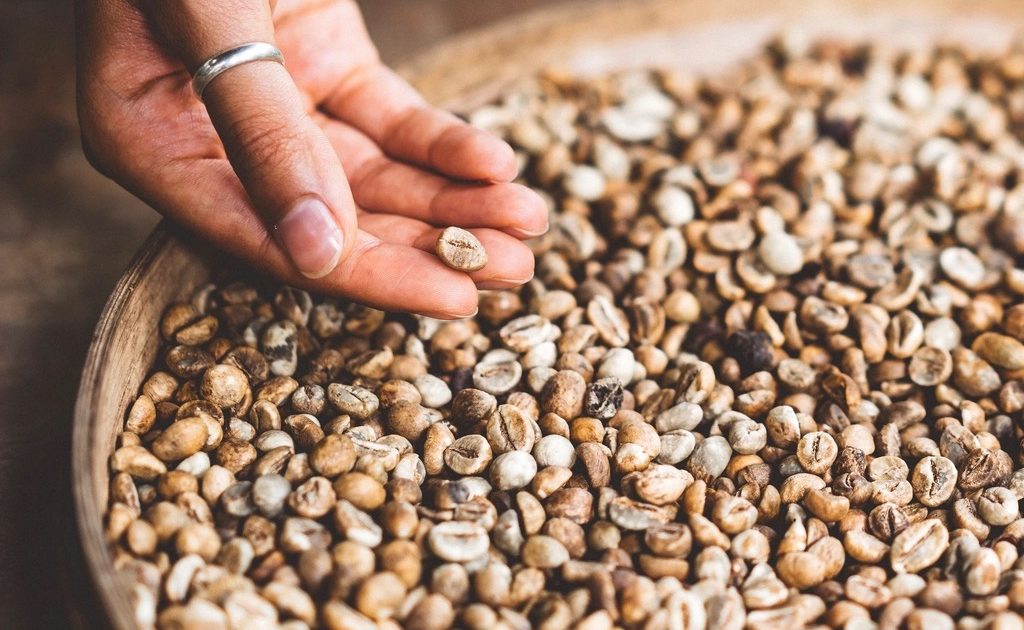
Few supplements have risen and fallen as publicly as green coffee bean extract. In 2012 it was promoted on daytime television as a “miracle” fat burner backed by a study; by 2014 the study’s sponsor had been fined by the Federal Trade Commission, and by 2015 the paper itself had been retracted by its authors. The extract is still sold today, still trading on a reputation the evidence never earned.
It makes an unusually clean case study, because we can trace the entire arc: the plausible mechanism, the flawed trial, the marketing engine, the regulatory correction, and what remains once the noise is stripped away. Here is that anatomy, and the honest bottom line for anyone considering a bottle.
What green coffee bean extract actually is
Green coffee beans are simply unroasted coffee beans. Roasting develops flavor but destroys much of a polyphenol group called chlorogenic acids; keeping beans raw and extracting them preserves those compounds. Commercial products are usually standardized to 45–50% chlorogenic acid and dosed around 200–800 mg per day. Note that this is not the same as drinking coffee — brewed coffee delivers chlorogenic acids too, along with far more caffeine, and green coffee extracts vary in whether caffeine is retained or removed.
The proposed mechanism is not absurd. In laboratory and animal work, chlorogenic acids have been reported to inhibit glucose-6-phosphatase, slow intestinal glucose absorption, and modestly influence fat metabolism. That is a plausible starting hypothesis. Plausible mechanisms are cheap, though; the question is always what happens in humans at realistic doses.
The study that started it, and how it ended
The 2012 boom rested largely on a small trial of 16 participants in India, published in a minor journal and funded by a supplement company. It reported an average loss of roughly 17 lbs over 22 weeks — a figure that would rival prescription-strength results, from a plant extract, in a group of 16 people.
Regulators looked closely. In 2014 the FTC charged the sponsor, Applied Food Sciences, over the study’s conduct, and the company agreed to a $3.5 million settlement. The FTC’s complaint described a trial in which measurements were altered and results were unreliable; the two academic authors subsequently retracted the paper. That same year the FTC held a hearing about deceptive weight-loss advertising at which the television promotion of green coffee was pointedly discussed. In 2015 the FTC also settled with marketers who had used fake news sites to sell the extract.
Strip the retracted study out and the evidence base becomes ordinary — and ordinary is much less exciting.
What the remaining evidence shows
Systematic reviews of green coffee extract have generally pooled a handful of small, short trials (typically 30–60 participants, 8–12 weeks). The recurring findings:
The average effect is small. Meta-analyses have reported mean weight differences in the region of 1–2.5 kg versus placebo — and the reviewers themselves repeatedly note that the included trials are small, short and often industry-funded, meaning the true effect is likely at the low end or absent.
Quality is the limiting factor. Reviewers have described the evidence as insufficient to draw firm conclusions, citing high risk of bias. This is the classic signature of a supplement effect that shrinks as study quality rises.
Blood pressure and glucose signals are more interesting than weight. Some trials of chlorogenic acid report modest reductions in blood pressure and improvements in glucose handling. These are secondary findings in small studies, not approved uses — the European Food Safety Authority has not authorized weight-loss health claims for this ingredient, and no green coffee product is FDA-approved for weight loss.
For context: a 1–2 kg average difference under ideal study conditions is a fraction of what structured behavioral programs deliver (5–10% of body weight per USPSTF-reviewed evidence) and a small fraction of GLP-1 trial results (about 15% with semaglutide 2.4 mg in STEP 1).
Claims vs evidence
| Marketing claim | What the evidence supports |
|---|---|
| “Burns fat without diet or exercise” | No. The FTC has repeatedly acted against this class of claim; no supplement has credible evidence for it. |
| “Clinically proven — 17 lbs in 22 weeks” | That study was retracted and its sponsor paid a $3.5M FTC settlement in 2014. |
| “Blocks carb absorption” | Mechanism observed in lab/animal models; human effect on weight is small at best. |
| “Natural, so it’s safe” | Generally well tolerated short-term, but caffeine-containing versions cause insomnia and palpitations; long-term safety data are thin. |
| “Supports healthy blood sugar” | The most defensible claim — modest glucose and blood-pressure signals exist in small trials, unauthorized as health claims by EFSA. |
How to evaluate any “next miracle” supplement
The green coffee arc repeats with a new ingredient every few years. A checklist that would have caught it early:
1. Count the humans. A single trial of fewer than 30 people is a pilot, not proof.
2. Check who paid. Sponsor-funded, sponsor-designed trials on proprietary extracts warrant heavy discounting.
3. Look for replication by independent groups. Real effects survive being tested by people with no stake in the answer.
4. Compare the effect size to the alternatives. If the honest ceiling is 1–2 kg over 12 weeks, decide whether that is worth $30–60 a month.
5. Search the FTC and FDA warning-letter databases for the ingredient and brand — both are free and searchable.
6. Prefer third-party-tested products (USP, NSF, Informed Choice). Supplements in the US are regulated under DSHEA as foods, not drugs: no pre-market efficacy review, and manufacturers — not the FDA — are responsible for verifying content.
7. Tell your clinician. Caffeine-containing extracts interact with stimulants and blood-pressure medications, and glucose-lowering effects matter if you take diabetes medication.
The verdict
Green coffee bean extract is not dangerous for most healthy adults in typical short-term doses, and it is not useless as a source of chlorogenic acids. What it is not — despite a decade of marketing built on a retracted paper — is a meaningful weight-loss agent. The best-case pooled estimate is a couple of kilograms in short, low-quality trials, and the FTC’s actions against its most famous promoters are part of the public record. If you want the polyphenols, coffee itself is cheaper. If you want weight loss, the money is better spent on the interventions with effect sizes an order of magnitude larger.
Is green coffee extract safe to take?
Short-term use appears generally well tolerated in trials, with mild GI effects and, in caffeinated versions, insomnia and jitteriness. Long-term safety is not well characterized. Anyone pregnant, breastfeeding, or on blood-pressure, stimulant or diabetes medication should ask a clinician first.
Is it the same as drinking coffee?
No. Extracts concentrate chlorogenic acids that roasting largely destroys, and may be decaffeinated. Brewed coffee still contributes meaningful chlorogenic acid intake — with better evidence for coffee’s broader health associations than for the extract’s weight effects.
Why is it still on shelves if the study was retracted?
Because US supplements do not require proof of efficacy before sale. Regulators act against deceptive claims, which is exactly what the FTC did — the ingredient itself remains legal to sell.
What has better evidence at a similar price?
Nothing in the fat-burner aisle stands out, which is the honest answer. Protein adequacy, resistance training, sleep and structured behavioral support have far stronger evidence per dollar; for people who qualify medically, prescription options have vastly larger documented effects.
Related reading
Affiliate & medical disclosure: This review is independent and for information only, not medical advice. Some links may be affiliate links; we may earn a commission at no cost to you, which never affects our score. Consult a licensed provider before starting any product.