Injection-Site Basics: Rotating, Storing and Traveling With GLP-1 Pens
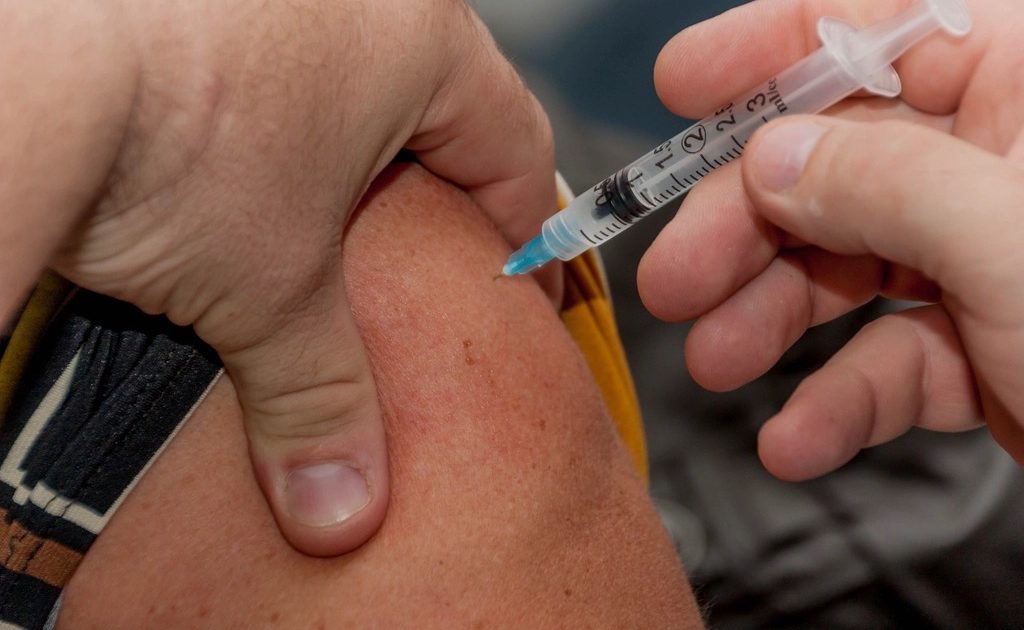
The prescribing conversation around GLP-1 medications tends to focus on doses, side effects and results. The mechanics — where exactly to inject, how to rotate sites, what temperature your pen can tolerate in a hotel room or an airport security line — usually get a two-minute demo at the pharmacy counter, if that. Yet these mechanics are where a surprising amount of real-world trouble starts: irritated skin, lumpy injection sites, and pens quietly ruined by heat or freezing.
This guide collects the practical rules in one place, drawn from FDA labeling and established injection-technique research. One caveat up front: storage windows differ between products and can change with label updates, so the printed instructions inside your specific medication’s carton — and your pharmacist — always outrank any article, including this one.
Why injection technique matters more than people think
GLP-1 pens deliver medication subcutaneously — into the fat layer just under the skin, not into muscle. That fat layer absorbs the drug at the steady, predictable rate the dosing schedule assumes. Decades of research on injected insulin, the best-studied subcutaneous medication, shows what happens when technique slips: repeatedly injecting the same small patch of skin can produce lipohypertrophy, rubbery lumps of overgrown fat tissue. Surveys of insulin users report lipohypertrophy in roughly 40–60% of patients, and injecting into those lumps makes absorption erratic. GLP-1s are dosed weekly rather than daily, so the risk accumulates more slowly — but the mechanism is identical, and weekly users have years of injections ahead of them.
The three approved sites — and how to rotate them
Per FDA labeling for semaglutide (Wegovy, Ozempic) and tirzepatide (Zepbound, Mounjaro), you can inject in three regions:
Abdomen: the most popular choice. Stay at least 5 cm (about two inches) away from the navel, and avoid scars, moles and any skin that is bruised, tender or hardened.
Front of the thigh: the middle third of the front-outer thigh, an easy self-injection target.
Upper arm: the fatty back area of the upper arm — workable, but many people need a second person to reach it comfortably.
Rotation has two levels. First, rotate regions or use a consistent region but move within it. Second — and this is the part most people skip — rotate spots within the region. A practical system: imagine your abdomen as a clock face around the navel and move one “hour” each week, keeping each new injection at least 2–3 cm from the last. A weekly note in your phone (“left abdomen, 8 o’clock”) removes the guesswork. The medication works equally well from any approved site; absorption differences between abdomen, thigh and arm are not clinically meaningful for these drugs, which is why the labels treat the three sites as interchangeable.
Storage: the numbers that actually matter
All current GLP-1 injectables are proteins (peptides), and proteins degrade with heat and are destroyed by freezing. The refrigerator rule — 2–8 °C (36–46 °F) — applies to every pen before first use. The room-temperature allowances differ by product, and this is where people get caught out:
| Medication | Refrigerated (2–8 °C) | Room-temperature allowance (per FDA label) |
|---|---|---|
| Ozempic (semaglutide) | Until first use | After first use: up to 56 days at 15–30 °C or refrigerated |
| Wegovy (semaglutide) | Standard storage | May be kept in the carton up to 28 days at 8–30 °C before use |
| Mounjaro / Zepbound (tirzepatide) | Standard storage | Up to 21 days at up to 30 °C; do not return to the fridge count indefinitely — follow the carton |
| Any pen, any brand | Never freeze | If a pen freezes, discard it — even after thawing, do not use it |
Two universal rules sit on top of the table. Keep pens in the original carton to protect them from light. And when in doubt about a temperature excursion — a pen left in a hot car, a fridge that froze the carton — call your pharmacist rather than guessing; replacement is cheaper than a wasted month of therapy.
Traveling with GLP-1 pens
Travel is where storage rules meet the real world. The core principles:
Always carry-on, never checked. Aircraft cargo holds can drop below freezing, which destroys peptide medications. The TSA explicitly permits injectable medications and ice packs in carry-on bags, exempt from the liquids rule; having the pharmacy label on the carton smooths the screening conversation.
Use an insulated case for transit days. A small cooler wallet with a gel pack keeps pens comfortably in range for a full travel day. Avoid direct contact between pen and ice pack — that is how pens freeze accidentally.
Count the room-temperature clock. A one-week beach trip fits easily inside every product’s room-temperature window. A three-week trip on tirzepatide (21-day allowance) requires a fridge at the destination.
Time zones: for weekly medications, the label guidance is flexible — the dosing day can shift as long as doses stay at least 48 hours apart (per semaglutide labeling). Confirm your specific product’s rule with your prescriber before a long trip.
Sharps disposal: the part nobody explains
Used needles and single-use pens belong in an FDA-cleared sharps container — not the household trash, and never loose in a bag. The FDA’s safe-disposal guidance offers a fallback: a heavy-duty plastic container such as an empty laundry-detergent bottle, labeled, with the cap taped shut, where local rules allow. Many US pharmacies and community programs take back filled sharps containers; disposal rules vary by state, so a 30-second ask at your pharmacy counter settles it. When flying, TSA permits sharps disposal containers in carry-on luggage too.
The pre-injection checklist
1. Check the liquid: it should be clear and colorless; cloudy or particulate medication does not get injected.
2. Check the date: both the expiration date and your product’s days-out-of-fridge count.
3. Pick the site: new spot, 2–3 cm from last week’s, away from the navel, scars and lumps.
4. Clean skin, let the alcohol dry — injecting through wet alcohol is what causes most of the sting.
5. Inject per your device’s instructions and hold for the full count your pen requires.
6. Log site and date; needle straight into the sharps container.
7. Anything unusual — persistent lumps, redness that spreads, signs of infection — goes to your prescriber, not to a forum.
The verdict
None of this is complicated, but all of it is consequential: a frozen pen delivers nothing, a hot pen delivers less than intended, and a decade of same-spot injections builds tissue that absorbs unpredictably. Fifteen seconds of site rotation and a $15 cooler wallet protect a therapy that can cost hundreds of dollars a month. Treat the logistics as part of the medicine.
What if I forget whether I already used a spot?
Nothing dangerous happens from repeating a site occasionally — the harm is cumulative, from months of habitual same-spot use. Start a simple log now and move on.
Does injection site change how well the drug works?
No meaningful difference between abdomen, thigh and upper arm has been shown for GLP-1s; the FDA labels treat all three as equivalent. Choose comfort and rotate within whatever region you prefer.
My pen was out of the fridge overnight — is it ruined?
Probably not: every major GLP-1 product tolerates room temperature for days to weeks (see the table above). Check your product’s specific window, count the days, and ask a pharmacist if the timeline is unclear.
Can I inject through clothing?
Labels and injection-technique guidance say no — bare, clean skin only. Fabric can blunt or contaminate the needle and prevents you from inspecting the site.
Related reading
Affiliate & medical disclosure: This review is independent and for information only, not medical advice. Some links may be affiliate links; we may earn a commission at no cost to you, which never affects our score. Consult a licensed provider before starting any product.