Potassium and Blood Pressure: The Mineral Most Diets Lack
Sodium gets most of the attention in conversations about blood pressure, but potassium is the mineral doing a huge amount of quiet, unglamorous work on the other side of the equation — and most people don’t get nearly enough of it. If sodium is the accelerator for fluid retention and blood pressure, potassium is one of the body’s main brakes.
Research consistently shows that diets higher in potassium-rich foods are associated with better blood pressure control, and the connection makes physiological sense: potassium helps the kidneys excrete excess sodium and helps blood vessel walls relax. Despite this, most adults fall short of recommended intake, largely because the richest sources are fresh produce, not processed convenience foods.
Why Potassium Matters Beyond Blood Pressure
Potassium is an electrolyte, meaning it carries an electrical charge that’s essential for nerve signaling and muscle contractions, including the heartbeat itself. It works closely alongside sodium to regulate fluid balance across cell membranes — the two minerals function as a paired system rather than independent nutrients.
Beyond cardiovascular health, adequate potassium intake supports normal muscle function, helps prevent cramping in some individuals, and plays a role in bone health as part of a broader mineral balance. Because it is involved in so many basic cellular processes, both very low and very high potassium levels can cause serious health problems, which is why supplementing with high-dose potassium pills is generally discouraged without medical supervision.
- Supports nerve transmission and muscle contraction, including heart rhythm
- Helps counterbalance sodium’s effect on blood pressure
- Plays a supporting role in bone and cellular health
- Best obtained through food rather than high-dose supplements, given the narrow safety margin at the extremes
How Much Potassium You Actually Need
General nutrition guidance places adequate potassium intake for most adults in the range of roughly 2,600 to 3,400 mg per day depending on age and sex, though many national dietary surveys find that typical intake in Western countries falls well short of these targets. The gap exists mainly because potassium-dense foods — vegetables, fruits, legumes — make up a smaller share of the average diet than processed grains and snacks.
People with kidney disease, or those taking certain blood pressure or heart medications, often need individualized potassium targets, since impaired kidney function can make it harder to safely excrete excess potassium. This is one of the more important reasons to loop in a healthcare provider before making major changes to potassium intake if you have an existing kidney or cardiac condition.
Best Food Sources of Potassium
Bananas are the food most associated with potassium in popular culture, but they’re actually far from the richest source — several vegetables and legumes contain considerably more potassium per serving.
- Potatoes (with skin): among the richest whole-food sources, often over 900 mg per medium potato
- White beans and lentils: roughly 600-700 mg per cooked cup
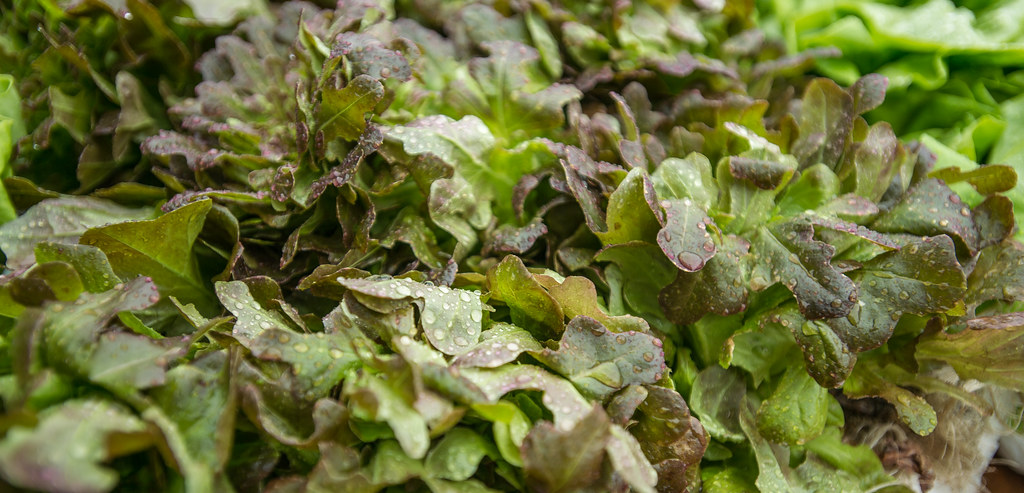
- Spinach and leafy greens: several hundred mg per cooked cup
- Sweet potatoes: roughly 500 mg per medium potato
- Bananas: about 400-450 mg per medium fruit
- Avocados, oranges, and tomatoes: moderate, consistent contributors when eaten regularly
How to Build More Potassium Into Your Day
The most reliable strategy is simply increasing whole food, plant-based foods across meals rather than trying to hit a number through a single “potassium food.” Consistency across the day matters more than any one potassium-packed meal.
- Add a serving of leafy greens or beans to lunch or dinner most days
- Keep the skin on potatoes and sweet potatoes when cooking
- Snack on fruit (banana, orange, cantaloupe) instead of processed snack foods
- Include a legume-based side dish (lentils, white beans) a few times a week
- Build at least one meal a day around a vegetable-heavy base rather than refined grains alone
Special Considerations and Warning Signs
Both low potassium (hypokalemia) and high potassium (hyperkalemia) can cause symptoms like muscle weakness, cramping, or abnormal heart rhythm, and both are typically diagnosed through blood tests rather than symptoms alone. Certain medications — including some diuretics, ACE inhibitors, and NSAIDs — can affect how the body handles potassium, which is another reason to discuss dietary changes with a healthcare provider if you take any of these regularly.
Athletes and people who sweat heavily lose some potassium through sweat, though typically far less than sodium losses. For most people, replenishing through a normal, varied diet after exercise is sufficient without needing specialized supplementation.
Potassium and Sodium: A Balancing Act
It helps to think of potassium and sodium as two ends of the same lever rather than two unrelated nutrients. Many modern diets skew heavily toward sodium-rich processed foods and away from potassium-rich produce, which shifts that lever in a direction associated with higher blood pressure over time. Correcting the imbalance doesn’t necessarily mean obsessing over sodium restriction alone — increasing potassium intake through food is an equally valid, and often easier, lever to pull.
This is part of why dietary patterns like the DASH approach (Dietary Approaches to Stop Hypertension), which emphasizes vegetables, fruits, legumes, and low-fat dairy, tend to perform well in blood pressure research: they simultaneously increase potassium intake while naturally displacing some sodium-heavy processed foods. You don’t need to follow a rigid named diet to get the benefit — simply shifting the ratio of whole foods to processed foods on your plate moves you in the same direction.
Can I get too much potassium from food alone?
For people with normal kidney function, it’s difficult to reach harmful potassium levels through food alone. The greater risk of excess potassium comes from supplements or in people with impaired kidney function.
Are potassium supplements a good idea?
Generally not without medical guidance. High-dose potassium supplements have a narrow safety margin and are typically only recommended under a healthcare provider’s supervision for diagnosed deficiency.
Do bananas really have the most potassium?
No — this is a common misconception. Potatoes, white beans, and leafy greens all contain more potassium per serving than a typical banana, even though bananas are the food most associated with the mineral.
How do I know if I’m not getting enough potassium?
Mild deficiency often has no obvious symptoms, while more significant deficiency can cause muscle weakness, cramping, or fatigue. A blood test ordered by a healthcare provider is the most reliable way to check your levels if you’re concerned.
Related reading
Affiliate & medical disclosure: This review is independent and for information only, not medical advice. Some links may be affiliate links; we may earn a commission at no cost to you, which never affects our score. Consult a licensed provider before starting any product.